
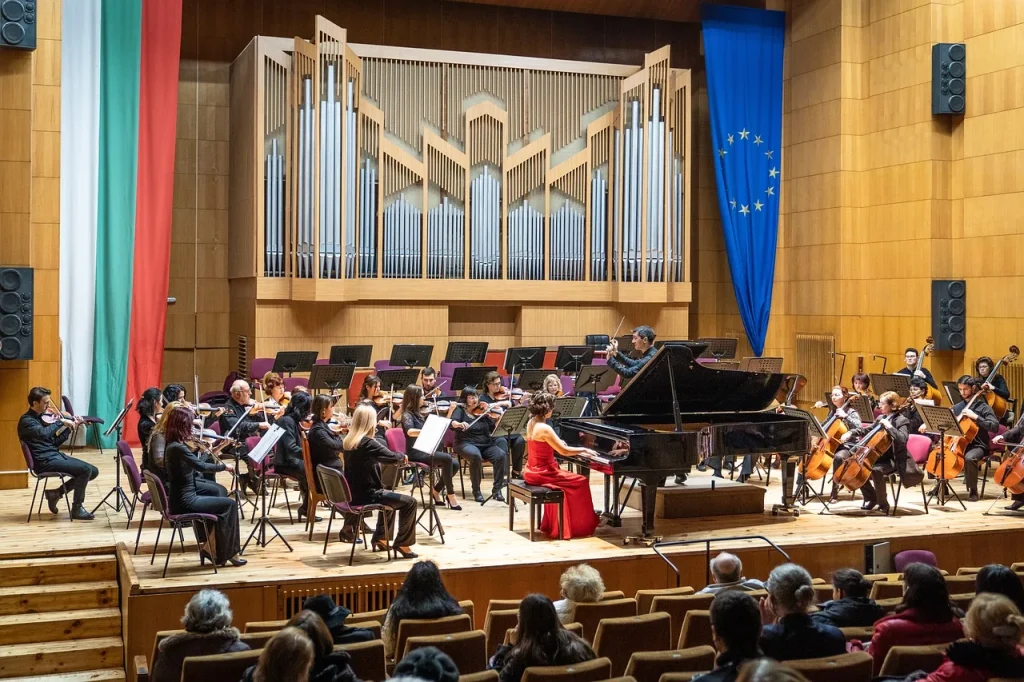
The conductor’s baton is essential for conductors. It symbolizes leadership and helps communicate musical details to the musicians. It therefore facilitates communication and coordinates the rhythm and emotions of the performance.
This guide explores the reasons why a conductor uses a baton. It presents the different facets of this key tool.
The baton tradition evolved with music during the nineteenth century. It became crucial for larger ensembles. The baton is used not only to conduct but also to inspire the group.
The history of the conductor’s baton
The evolution of the conductor’s baton is fascinating. This tool is essential in the world of music. It enables clear and effective conducting. The origins of baton use can be traced back to the use of rudimentary sticks to conduct small ensembles.
Origins of baton use
Before the eighteenth century, there were no conductors. Music was performed by small groups. As orchestras expanded, such as those in Vienna, the need for a conductor became apparent. Jean-Baptiste Lully was the first to use a long staff, marking an evolution in its history.
Evolution over the centuries
The early nineteenth century saw the arrival of the modern baton, thanks to Louis Spohr in 1820. It became a key tool in musical direction. Today, the baton is essential for communicating with musicians, as explained in this account of the history of the baton.
| Period | Characteristics | Important notes |
|---|---|---|
| Sixteenth century | Use of sticks or bows | A period when conductors were extremely rare |
| Nineteenth century | Introduction of the modern baton | Louis Spohr claimed to have used it in 1820 |
| Twentieth century | The baton as a symbol of leadership | Widespread adoption by conductors |
The role of the baton in music
The baton is essential in music. It helps the conductor set precise tempos. It makes musical nuances clearer during rehearsals and concerts.
The use of the baton has evolved since the nineteenth century. It has changed the way conductors interact with musicians.
Indicating tempo and meter
The baton is a key tool for indicating rhythm. It shows musicians when to play. This improves communication between the conductor and the orchestra.
The baton’s movements amplify the conductor’s gestures. They convey the nuances that each musician must interpret.
A link between the conductor and the orchestra
The baton conveys the conductor’s musical ideas to the orchestra. It clarifies the conductor’s musical intentions. This is crucial when the orchestra includes a large number of musicians.
Some conductors, such as Pierre Boulez, can conduct without a baton. Nevertheless, this tool remains essential for clarity and coordination.
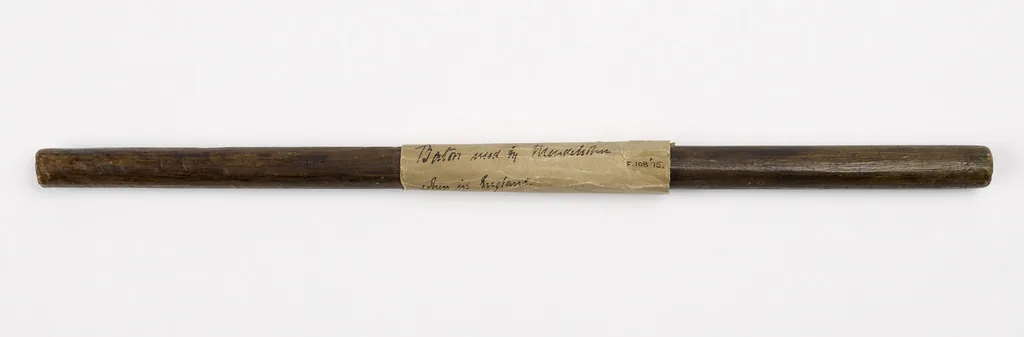
Each conductor has a personal approach to conducting. Batons range from 25 to 60 cm in length and are selected according to individual preferences. This creates diversity in musical interpretations and underscores the baton’s importance.
Learn more about the role of the baton in music.
Why does a conductor use a baton?
The baton is essential for a conductor. It helps the conductor communicate visually with the musicians. This is crucial during concerts in which many instruments play together.
The baton creates a clear visual link. This allows the conductor to communicate intentions effectively.
Facilitating visual communication
The baton is ideally suited to orchestral concerts. It improves visual communication, especially with large ensembles. Valery Gergiev, who conducts nearly 300 concerts a year, uses the baton to maintain cohesion among the musicians.
Making gestures clearer
The baton makes the conductor’s gestures clearer. Musicians, including those seated at the back, understand the signals more easily. This improves orchestral coordination and encourages the musicians to become more involved.
The importance of the baton in orchestral conducting
The baton is more than a simple tool. It improves the precision of signals given to the musicians. The conductor can therefore provide clear and precise directions. This helps convey nuances and changes in dynamics.
The gestures of the right hand establish the tempo. The left hand provides more detail about phrasing and nuances. This independence is crucial for a conductor, who must adapt to the atmosphere of the music.
Every movement of the baton has meaning. It strengthens visual communication with the musicians. This is why the tool is so important, especially in orchestras with varied instrumentation.
The baton has a positive impact on orchestral performance. Precise gestures help maintain the tempo and control the dynamics. The conductor’s gestures and use of the baton influence the final result.
The baton is therefore essential to the success of an artistic performance. It enriches the experience of both the musicians and the audience.
FAQ
Why does a conductor use a baton?
What is the history of the conductor’s baton?
What is the role of the baton in music?
How does the baton facilitate visual communication within the orchestra?
How important is the baton in orchestral conducting?
What conducting techniques involve the baton?
What is the learning process for mastering the use of the baton?
Source links
- https://www.yourclassical.org/story/2023/11/21/why-does-the-conductor-use-a-baton
- https://artandmusic.yale.edu/aspiring-condition-music/art-arts-sake/art-arts-sake-gallery8-presentation-baton
- https://wfso.org/what-does-a-conductor-actually-do/
- https://houstonsymphony.org/tribute-maestro-fruhbeck-de-burgos/