

Orchestral conducting is a prestigious art. Classical music comes to life through a conductor’s gestures. These iconic figures have profoundly influenced the musical landscape.
Their fascinating careers allow us to explore their contributions. They combine musical talent, innovation, and leadership. Their performances shape the orchestral repertoire and our perception of music.
In this article, we will highlight these influential figures. We will examine how their legacy continues to resonate today.
Introduction to orchestral conducting
Orchestral conducting is a complex art. It combines musical talent with leadership skills. Over time, the conductor’s role has evolved and become more complex.
Conductors coordinate the musicians. They do more than simply have them play the score. They select pieces, study scores, and adjust the tempo. This practice originated in Baroque music, when the harpsichordist or first violinist led the ensemble.
From the 19th century onward, conductors stopped playing an instrument during performances. They focused on their role as guides. Conductors such as Louis Spohr and Felix Mendelssohn helped define the profession.
Conductors use gestures and expressions to communicate with the musicians. These elements are crucial, as the Kurt Masur incident demonstrated.
To learn more about the conductor’s role, read this article.
Famous conductors: who are they?
Famous conductors play a very important role in the world of classical music. They are major figures who have changed the history of music. Their talent, expertise, and charisma have touched both musicians and audiences.
Iconic figures in classical music
Names such as Herbert von Karajan and Leonard Bernstein are very well known. They knew how to capture the essence of works by famous composers such as Beethoven and Mahler. Their interpretations touched people’s hearts and will remain unforgettable.
Impact on the orchestral repertoire
These conductors did far more than direct musicians. They stirred emotions and brought meaning to musical works. Their influence helped many musicians and enriched the orchestral repertoire. Through bold choices, they breathed new life into the classics while respecting their legacy.
The greatest conductors of the 20th century
The 20th century was a remarkable period for orchestral conducting. It saw the emergence of iconic figures who redefined the art of conducting. These conductors left an indelible mark on classical music.
Herbert von Karajan: between authority and emotion
Herbert von Karajan made his mark on the history of orchestral conducting. He was known for his authoritative approach and his ability to convey powerful emotions. His high-quality recordings raised the standard of orchestral performance.
He also redefined standards of excellence in the music industry.
Leonard Bernstein: an innovator in the classical world
Leonard Bernstein combined classical music with contemporary themes. He became an essential figure. In addition to his conducting career, he made music accessible to a broad audience.
His passionate commitment inspired interest among new generations.
Wilhelm Furtwängler: passionate interpretations
Wilhelm Furtwängler is renowned for his powerful, emotionally charged interpretations. He particularly excelled in works by Beethoven and Bruckner. His artistic vision and profound understanding of the works produced memorable performances.
He helped shape the musical sensibility of his time. He became a legend among 20th-century conductors.
| Conductor | Distinguishing feature |
|---|---|
| Herbert von Karajan | Authority and recording quality |
| Leonard Bernstein | Innovator and educator |
| Wilhelm Furtwängler | Passionate interpretations |
To discover other influential conductors from this period, explore this informative resource.
Renowned French conductors
French conductors have made their mark on musical history through their talent and innovative spirit. Three iconic figures—Pierre Boulez, Georges Prêtre, and Claudio Abbado—each left a significant mark on the music scene. They made unique contributions to classical music.
Pierre Boulez: a pillar of contemporary music
Pierre Boulez is recognized as a pillar of contemporary music. He pushed the boundaries of orchestral conducting through his ability to embrace new forms and techniques. Boulez played an essential role in promoting modernist works, influencing generations of composers and performers.
Georges Prêtre: a friend to the great voices
Georges Prêtre was famous for his ability to showcase soloists and create unforgettable moments in concert. He worked with many renowned singers, helping to enhance the reputation of operatic works. His warm approach and expertise made him a favorite conductor among artists and audiences alike.
Claudio Abbado: an advocate for music for young people
Claudio Abbado was committed to making classical music accessible to young people. Through educational initiatives, he encouraged participation and musical awareness. His inclusive approach enabled many young musicians to discover the orchestral world, thereby inspiring the next generation.

| Conductor | Contribution | Impact |
|---|---|---|
| Pierre Boulez | Promotion of contemporary music | Influence on modern composers |
| Georges Prêtre | Showcasing soloists | Making operatic music memorable |
| Claudio Abbado | Educational initiatives for young people | Encouraging a new generation of musicians |
The musical careers of conductors
A conductor’s musical career begins with rigorous training. Conductors often study at prestigious conservatories. There they learn music theory, ear training, and ensemble conducting.
Internships and masterclasses with renowned conductors are essential. They enrich their experience.
Training and specialization in conducting
A conductor’s training is crucial. Many famous conductors, such as Sylvain Cambreling, followed rigorous academic paths. They master conducting technique and the management of musicians.
A good conductor must be intuitive and creative.
The conductor’s role during rehearsals and concerts
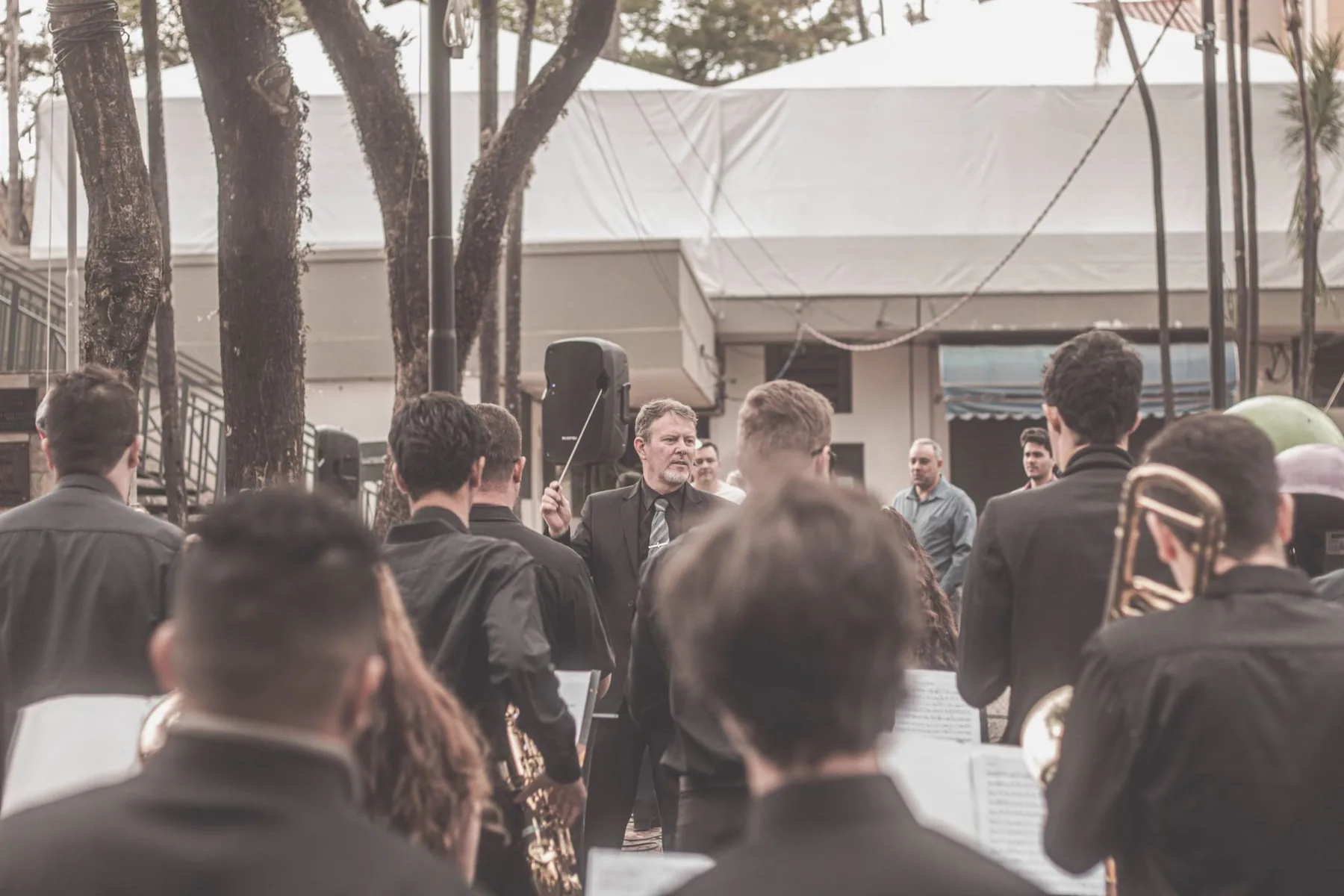
During rehearsals, the conductor coordinates the musicians. The conductor ensures that every section plays in harmony. Clear communication is essential to guide the ensemble.
Conductors such as Claudio Abbado and Mariss Jansons left their mark. In concert, the conductor leads with confidence. The conductor interprets the work while adapting to the orchestra’s needs.
Every interaction during rehearsals shapes the performance. This ensures a compelling musical result.
Conclusion
Famous conductors have played an essential role in the evolution of classical music. Their legacy touches orchestras around the world. They do more than conduct: they change the way music is perceived.
Conducting an orchestra is a major challenge. Conductors must adjust the tempo and communicate subtle details. Their talent creates a special bond with the musicians. Their success rests on their talent, technique, and relationship with the musicians.
The legacy of conductors is crucial to music. They inspire and influence musicians. Their work enriches our love of music.