
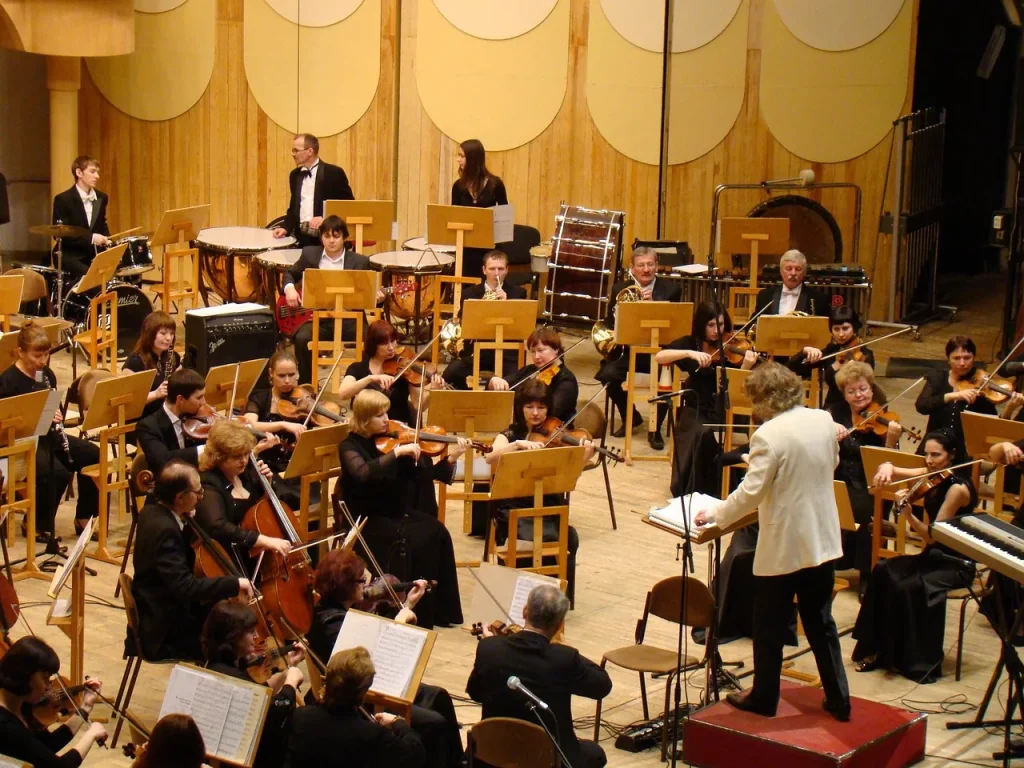
The orchestra conductor is essential to musical interpretation. They direct the musicians, whether in a symphony orchestra or a jazz ensemble. They maintain the tempo and convey a clear artistic vision.
The conductor stands on a podium so that everyone can see them. They use precise gestures to ensure a harmonious interpretation. Some ensembles can perform without a conductor, but a talented conductor and orchestra are often necessary to impress the audience.
More and more women are becoming conductors, including Marin Alsop and Karina Canellakis. They inspire new generations of female musicians. Their role includes choosing the repertoire and defining the artistic direction to create exciting concerts.
Introduction to the Essential Role of the Orchestra Conductor
The orchestra conductor plays a crucial role in musical interpretation. They do more than direct the musicians. They also understand the artistic and technical nuances of each piece. They have often studied composition or music and are passionate about this art form. They must also be a good leader.
Becoming an orchestra conductor requires extensive musical knowledge and specific qualifications. Aspiring conductors often begin as assistants. They develop their style and approach. They manage rehearsals and ensure that every musician is well prepared.
A good conductor must know how to work under pressure and demonstrate charisma. They must communicate effectively with the musicians. This interaction improves the performance and strengthens the ensemble’s cohesion. Conductors work in various venues, including opera houses and concert halls. They ensure that the artistic vision is respected and that the works are interpreted faithfully.
What Is the Role of an Orchestra Conductor?
The orchestra conductor is essential to the success of a musical performance. They guide the orchestra with precision while respecting each musician’s talent. Their leadership makes it possible to create a unique work that reflects everyone’s emotions.
The Importance of Musical Direction
Musical direction goes beyond technical instructions. It includes inspiring the musicians and encouraging collaboration. The conductor listens to and understands the orchestra’s dynamics, creating an environment conducive to individual expression. This importance of musical direction is essential to an unforgettable performance.
The Relationship Between the Conductor and the Musicians
The relationship between the conductor and the musicians is based on trust and respect. A good conductor knows how to encourage the musicians while asserting their authority. Clear communication, often nonverbal, strengthens this connection. This supportive atmosphere stimulates the musicians’ commitment and makes concert preparation more harmonious.
Duties and Responsibilities of the Orchestra Conductor
An orchestra conductor’s duties are varied and essential. They help maintain the orchestra’s harmony and effectiveness. Understanding these roles reveals the conductor’s importance in music.
Preparing and Studying Scores
Preparing scores requires precise analysis and extensive memorization. This allows the conductor to grasp the complexity of musical works. They must also study the history and style of the pieces to offer a faithful interpretation.
Coordinating Rehearsals and Concerts
Coordinating rehearsals and concerts is crucial. The conductor must manage the schedule and communicate with the musicians. They also organize the orchestra’s different sections to ensure a successful performance.
Artistic Direction and Repertoire Selection
The orchestra conductor guides the ensemble artistically. They choose a repertoire that reflects the orchestra’s vision. Their choices help shape the orchestra’s identity in the musical world.
Qualities of a Good Orchestra Conductor
The life of an orchestra conductor requires particular qualities. Orchestra conductor leadership is crucial for inspiring the musicians. Modern conductors must move away from an authoritarian style in favor of a collaborative model. Listening and respect are essential.
Leadership and Charisma
A good orchestra conductor has the charisma needed to connect with every member of the orchestra. They must earn respect while guiding the musicians. This strengthens their authority during rehearsals.
Technical and Musical Skills
Musical skills are essential for an orchestra conductor. They need a discerning ear, a good memory for scores, and broad musical knowledge. This enables them to convey the particular demands of each work.
Diplomacy and Communication with the Musicians
Diplomacy is crucial for managing conflicts within the orchestra. Open communication creates a harmonious working environment. The conductor must know how to be both firm and flexible while taking the relationships among the musicians into account.
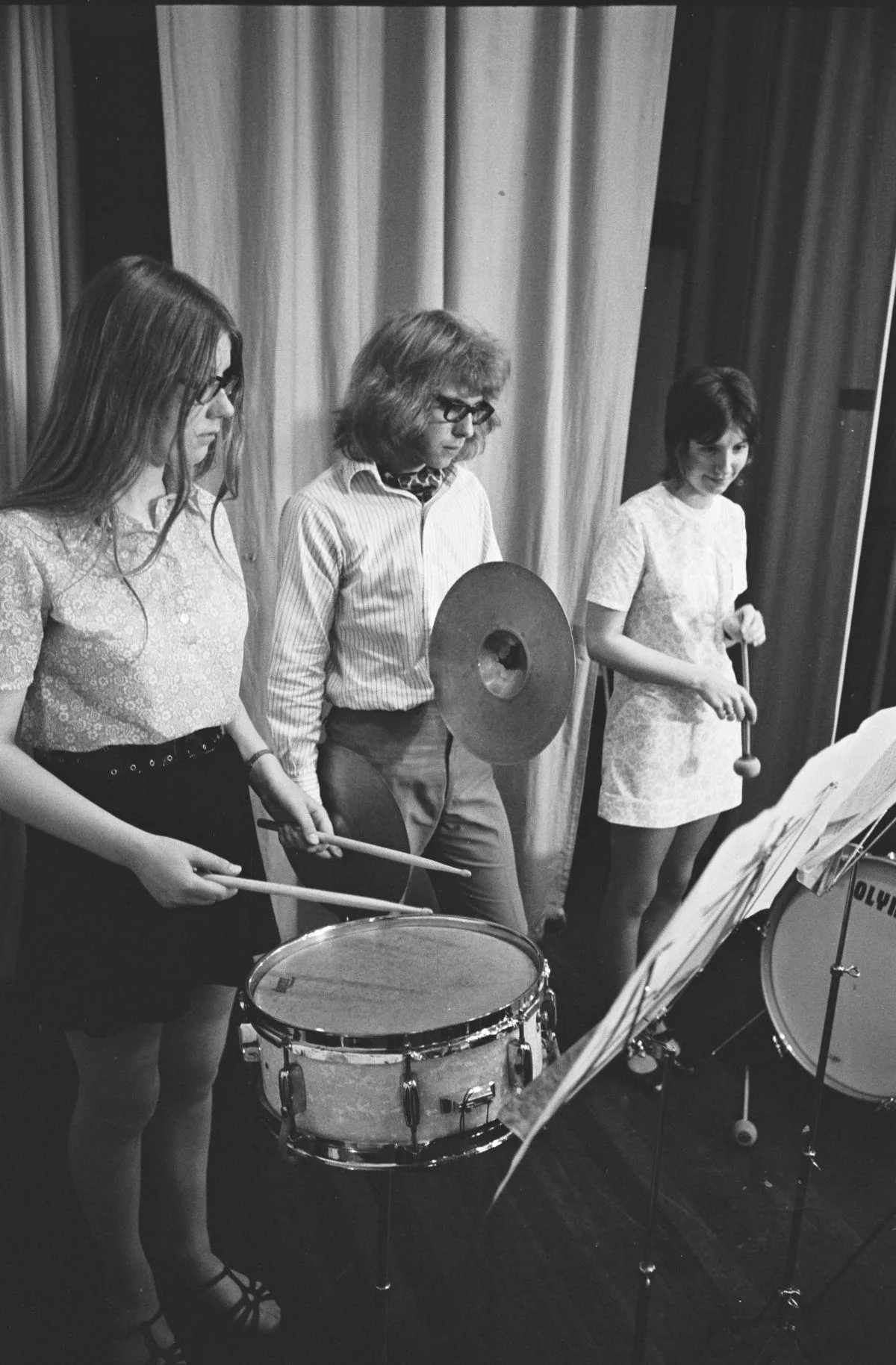
A skilled orchestra conductor combines these qualities of an orchestra conductor to deliver exceptional performances. They serve as a link between the musicians and the music. For more details about the conductor’s role, consult this link.
Different Types of Orchestra Conductors
The world of music is rich in diversity. Orchestra conductors fall into several categories. Each brings a distinctive touch to the art of musical direction.
Permanent Conductor Versus Guest Conductor
A permanent conductor works with an orchestra over the long term. They play a key role in shaping the ensemble’s musical identity. They choose the pieces, lead rehearsals, and make artistic decisions.
A guest conductor, by contrast, leads orchestras for individual concerts or specific seasons. They bring a new perspective and diversify the interpretations. This enriches the orchestra’s performances.
Conductors in Different Musical Genres
Orchestra conductors are not limited to a single genre. They direct classical and contemporary works as well as jazz and Baroque music. For example, some are equally proficient in symphonic and jazz repertoire.
This versatility highlights the importance of the different types of orchestra conductors in the musical world.
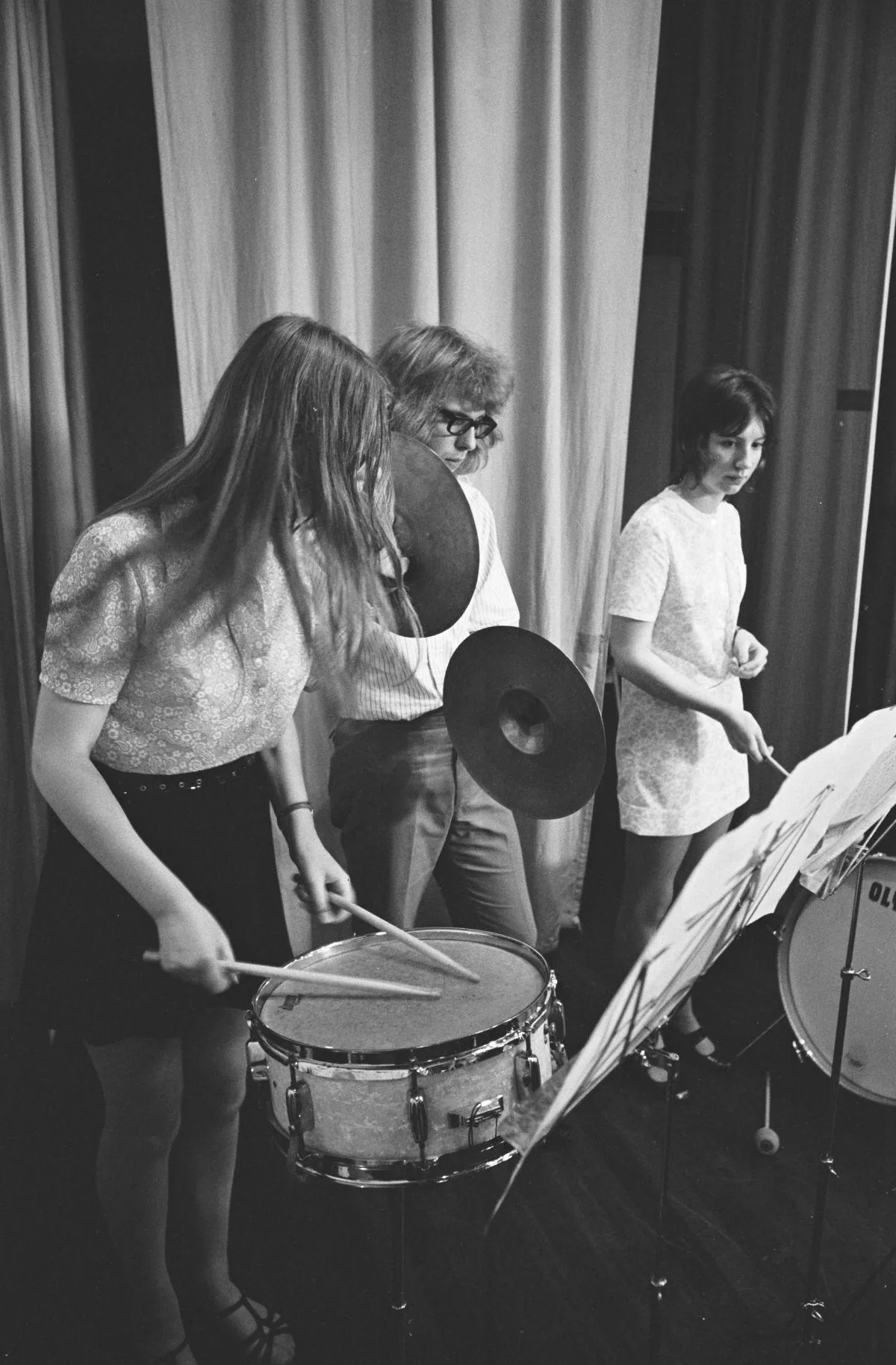
For more information about orchestra conductors, consult this informative resource. It explores their roles and responsibilities.
How the Orchestra Conductor’s Role Has Evolved
The role of the orchestra conductor has changed considerably over the centuries. It has incorporated innovations that have shaped its present-day identity. The history of the profession reflects the transition from musicians who occasionally performed this function to recognized professional figures. Conductors such as Hans von Bülow helped strengthen the role’s standing.
This evolution concerns more than music alone. It also reflects social and technological changes.
History and Development of the Profession
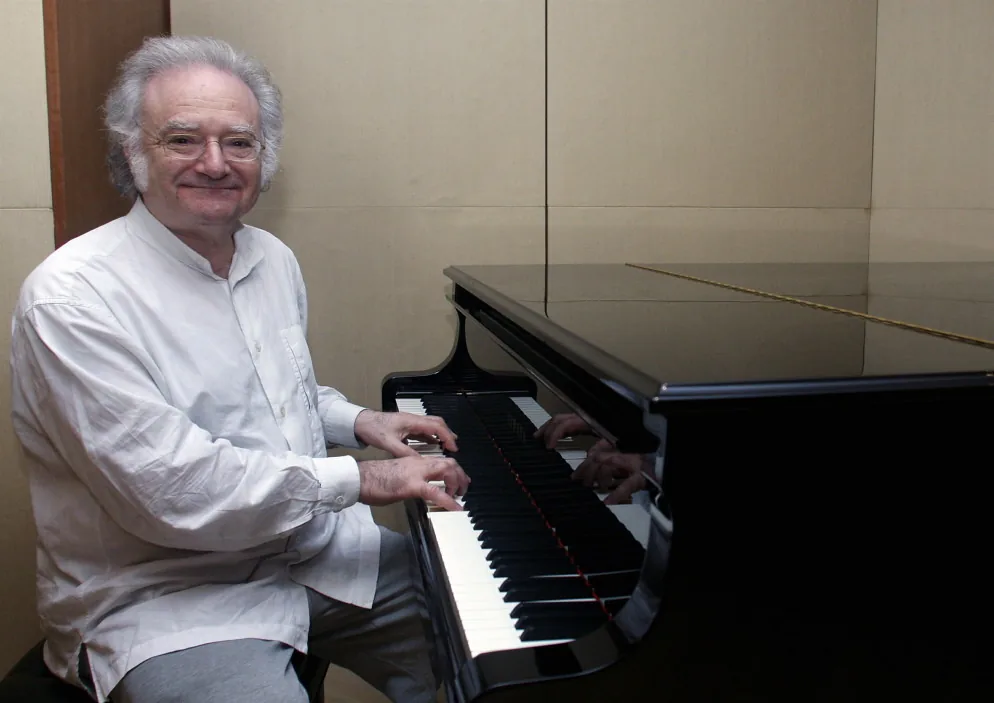
The profession of orchestra conductor has evolved considerably. It progressed from a loosely defined role to a profession in its own right. Conductors now undergo rigorous musical training. They study orchestral conducting and master an instrument, often the piano.
Today, understanding scores and interpreting them precisely are essential.
Impact of Musical and Technological Innovations
Musical innovations and technological advances have changed how orchestra conductors work. The adoption of modern scores and recording tools has improved the analysis of musical works. These tools encourage richer interpretations and effective communication with the musicians.
Today’s conductors have access to more resources. This allows them to improve their performances and communicate more effectively with audiences.
| Period | Characteristics of the Profession | Key Innovations |
|---|---|---|
| Middle Ages | Orchestral musicians assuming informal leadership roles | Instruments still under development |
| 18th century | Emergence of conductors as central figures | Refinement of musical scores |
| 19th century | Professionalization through figures such as von Bülow | Emergence of sound recording |
| 20th century to the present | Worldwide recognition and a diversity of musical styles | Modern technological tools and digital scores |
Conclusion
The role of orchestra conductors is crucial in music. They connect the composer, the orchestra, and the audience. Their artistic vision extends beyond musical direction.
Their influence is evident in their work. They interpret the score and coordinate the musicians. This enriches every performance.
Orchestra conductors work irregular hours and bear significant responsibilities. Their work requires considerable emotional commitment and strong physical stamina. They must maintain a balance between their professional and personal lives.
Their role is both fascinating and demanding.
The career of an orchestra conductor has changed over time. It adapts to musical and technological developments. This profession, which emerged in the 19th century, continues to evolve.
Their passion for music is essential. They convey emotions through every note played.
FAQ
What is the main role of an orchestra conductor?
What are an orchestra conductor’s responsibilities?
What types of orchestra conductors are there?
What qualities should a good orchestra conductor have?
What is the relationship between the orchestra conductor and the musicians like?
What distinguishes a permanent conductor from a guest conductor?
How has the profession of orchestra conductor evolved?
Why is artistic direction important for an orchestra conductor?
Source Links
- https://wfso.org/what-does-a-conductor-actually-do/
- https://www.classical-music.com/articles/what-does-a-conductor-do
- https://www.cambridge.org/core/books/abs/cambridge-companion-to-the-orchestra/history-of-direction-and-conducting/68D2E21BFF6E98D92037A3E14E71B925
- https://time.com/1563/claudio-abbado/