
Soundpainting is a form of real-time musical improvisation that can involve a wide variety of instruments. Choosing the right instruments is essential to creating music that is as rich and expressive as possible.
The instruments best suited to soundpainting are those that offer a wide range of sounds and tones and can be played dynamically. Musicians can play traditional instruments such as guitar, piano, trumpet, drums, and saxophone, or more experimental instruments such as body percussion, electronic instruments, and found objects. Each instrument brings its own color and texture to the music, creating a unique sonic experience.
What Is Soundpainting?
Soundpainting is a form of real-time musical improvisation that uses a specific sign language to direct musicians during a performance. This technique was developed in the 1970s by American composer Walter Thompson and is now used by many artists around the world.
Unlike other forms of musical improvisation, soundpainting involves close collaboration between the musicians and the artistic director, who gives instructions through signs to guide the ensemble in creating a unique piece of music.
Soundpainting can be used with a wide range of instruments and musical genres, giving artists great creative freedom and the opportunity to explore new sonic territory. Soundpainting performances are often highly dynamic and interactive, offering audiences a unique musical experience.
Image source: seowriting.ai
The Distinctive Features of Soundpainting
Soundpainting is a form of musical improvisation characterized by real-time composition. This artistic practice emphasizes interaction among musicians and encourages the creation of a collective work in which every participant plays an active role. Unlike other types of improvisation, soundpainting is led by a conductor who guides the group through a specific gestural language. This artistic direction encourages musicians to collaborate openly and creatively, fostering the emergence of new sounds and unique performances.
Soundpainting is also distinguished by the diversity of instruments used. Although some traditional orchestral instruments are commonly employed, soundpainting encourages the use of more unusual and experimental instruments. What is more, any object can be turned into an instrument and incorporated into a soundpainting performance.
Traditional Instruments for Soundpainting
Traditional orchestral instruments are widely used in soundpainting, particularly string instruments, brass instruments, and percussion. These instruments offer a wide variety of sounds and textures and are ideally suited to improvisation and real-time composition.
| String instruments | Brass instruments | Percussion |
|---|---|---|
| Violin | Trumpet | Drums |
| Viola | Trombone | Ethnic percussion |
| Cello | Saxophone | Glockenspiel |
| Double bass | Tuba | Xylophone |
However, soundpainting is not limited to traditional orchestral instruments. The use of more unusual and experimental instruments is encouraged to create unique and unexpected sounds.
Unusual Instruments for Soundpainting
Many unusual instruments can be used in soundpainting, including electronic instruments, homemade instruments, and objects repurposed from their original use. Here are a few examples:
- The theremin: This electronic instrument produces airy, otherworldly sounds that can be used to add a touch of mystery or science fiction to a soundpainting performance.
- The waterphone: This unusual instrument consists of a series of U-shaped metal rods attached to a steel resonating chamber. It produces a highly distinctive sound that can evoke aquatic or fantastical atmospheres.
- Repurposed objects: Any object can be turned into a soundpainting instrument. Musicians can use pots and pans, kitchen utensils, children’s toys, or even gardening tools to produce unexpected and original sounds.
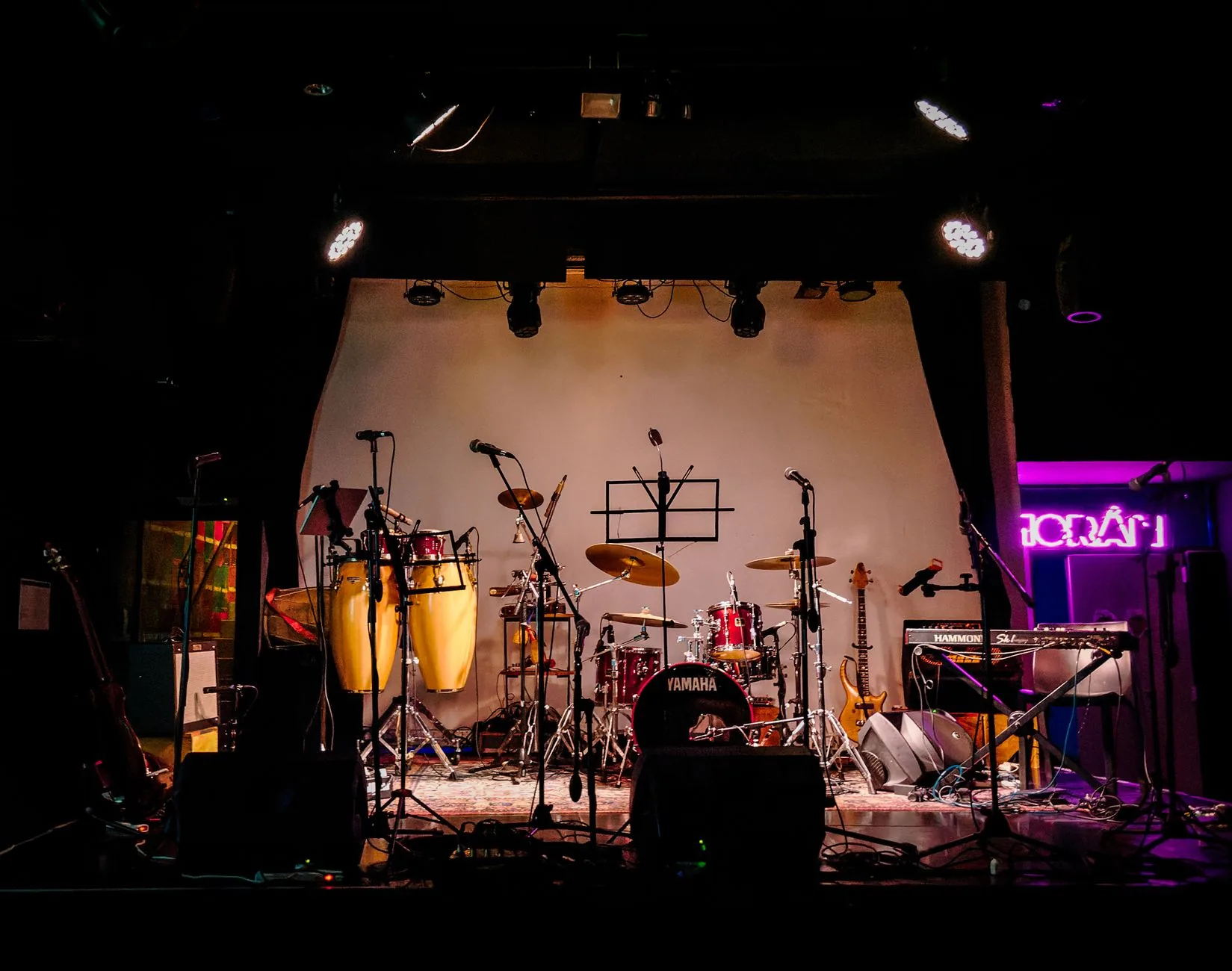
Instruments for Soundpainting
In soundpainting, instruments play a crucial role in creating a unique and expressive musical experience. The choice of instruments affects not only the sound produced, but also the ensemble’s dynamics and the musicians’ ability to collaborate and improvise together.
Traditional Musical Instruments
Traditional orchestral instruments such as strings, woodwinds, and brass are often used in soundpainting for their rich tonal quality and flexibility. Musicians can use conventional or unconventional techniques to produce unique sounds that contribute to the overall sonic texture.
For example, a violinist can play harmonics to create an airy, ethereal sound, while a percussionist can use rubbing techniques to produce unconventional sounds on a cymbal or drum. The possibilities are endless.
Unconventional and Experimental Instruments
Soundpainting musicians can also use unconventional instruments such as found objects, custom-made instruments, or electronic instruments to produce unique and experimental sounds.
For example, a musician might play an instrument made from a PVC pipe, a children’s toy, or a synthesizer to produce sounds that add depth and complexity to the musical ensemble. The use of unconventional instruments adds an element of surprise and creativity to the performance.
Non-Musical Objects
Finally, soundpainting musicians can even use non-musical objects such as kitchen utensils, toys, or everyday items to produce interesting and unusual sounds. These objects can be used as instruments in their own right or as accessories to complement the sound of a traditional instrument.
For example, one musician might use a frying pan to produce a unique percussive sound, while another might rub a balloon to create a strange, airy sound. The use of non-musical objects adds an element of unpredictability and spontaneity to the performance.
The Importance of the Orchestra in Soundpainting
Soundpainting is a collaborative art form involving a wide variety of instruments that can be used to create a unique and dynamic musical performance. However, the true magic of soundpainting lies in the way these instruments interact as an ensemble or orchestra under the direction of the soundpainting director.
The orchestra’s role in soundpainting is paramount, because each instrument plays an important part in creating the overall soundscape. The musicians must be able to work together to create a coherent, dynamic, and harmonious performance. The soundpainting director’s choices of gestures and visual signals are also essential for directing the ensemble and creating the desired atmosphere for the performance.
The musicians must be able to follow the soundpainting director’s instructions smoothly and naturally. This requires an in-depth knowledge of their own instrument as well as the other instruments in the ensemble. Everyone must be able to understand the director’s signals and gestures in order to play in harmony with the other musicians.
Ultimately, the orchestra is an essential part of every successful soundpainting performance. The musicians must work closely together to create a unique and captivating sound work. Soundpainting is a collaborative process, and the orchestra is the key to turning abstract ideas into a tangible and moving musical performance.
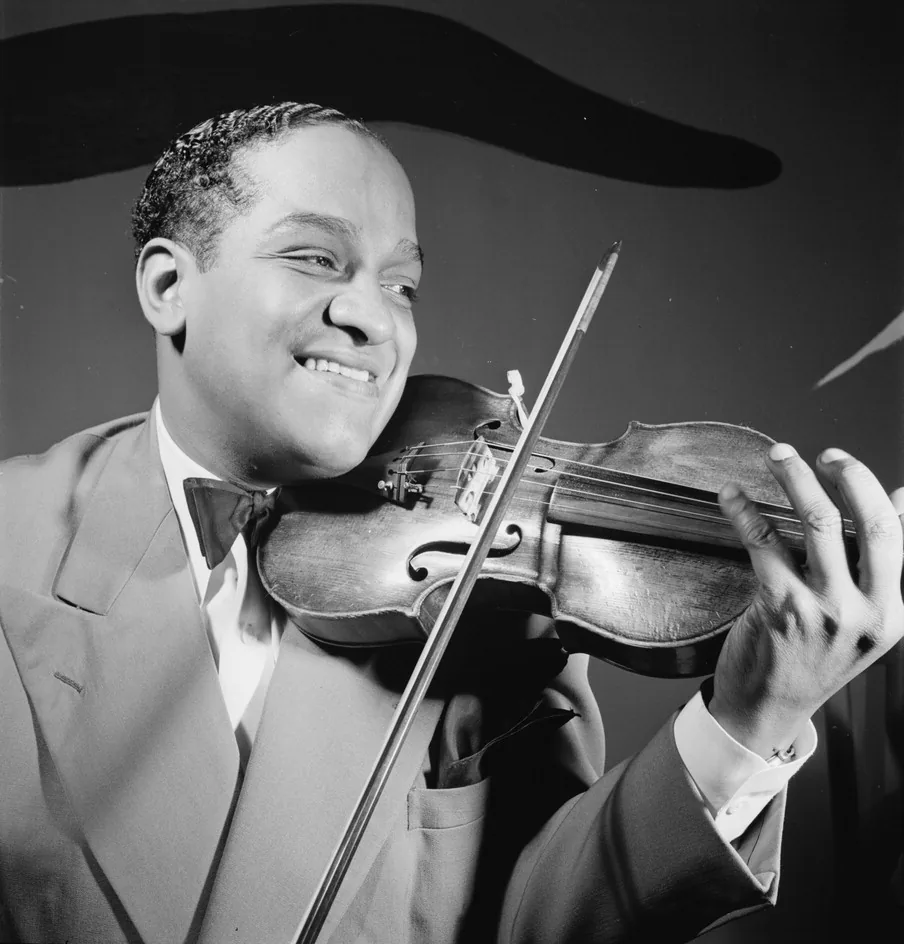
Artistic Direction in Soundpainting
In soundpainting, artistic direction plays a crucial role in musical creation and performance. The conductor, or “soundpainter,” uses a specific gestural vocabulary to direct the ensemble and give the musicians instructions in real time.
Artistic direction in soundpainting is unique because it involves nonverbal communication between the director and the musicians. The director’s movements, combined with knowledge of the different elements of soundpainting’s gestural language, allow the music to be interpreted intuitively and creatively.
The director uses gestures to give instructions about rhythm, dynamics, textures, modes, and musical themes. For example, a gesture with the left hand might indicate a change of key or a new theme, while a gesture with the right hand might signal an increase or decrease in intensity.
The director is also responsible for creating new compositions in real time. By using gestural language and communicating with the musicians, the director can create original, coherent, and expressive music.
Artistic direction in soundpainting is therefore essential to creating a unique and remarkably expressive musical performance. Through a specific gestural language and nonverbal communication, the director can convey ideas and lead the ensemble to create an immersive and captivating sonic experience.
Conclusion
In soundpainting, every instrument has a role to play and can contribute to creating a unique and innovative musical performance. It is therefore crucial to choose the instruments best suited to this particular art form. Whether they are traditional orchestral instruments, experimental instruments, or even non-musical objects transformed into instruments, they can all have a place in a soundpainting performance.
The orchestra or musical ensemble is also an essential element of soundpainting, enabling musicians to collaborate and interact to create a coherent and dynamic sonic experience. Artistic direction also plays a crucial role in shaping this experience. The director’s artistic choices and gestures guide the musicians in creating a captivating and memorable performance.
In short, soundpainting offers an innovative and exciting form of musical creation, as well as considerable artistic freedom and creative collaboration among musicians. We encourage readers to explore this discipline and discover the unique possibilities it offers.