
With the advent of the digital age, art forms have undergone a radical transformation. Soundpainting, still a relatively new art form, has not been immune to this change. This adaptation has presented new challenges, but it has also offered new opportunities to soundpainting artists.
In this analysis, we will explore the challenges and opportunities facing soundpainting artists in the digital age. We will examine the origins of soundpainting, its meaning, and the characteristics that distinguish it as an art form. We will also discuss how this art form has evolved in the digital age, highlighting the roles played by technology.
What is soundpainting?
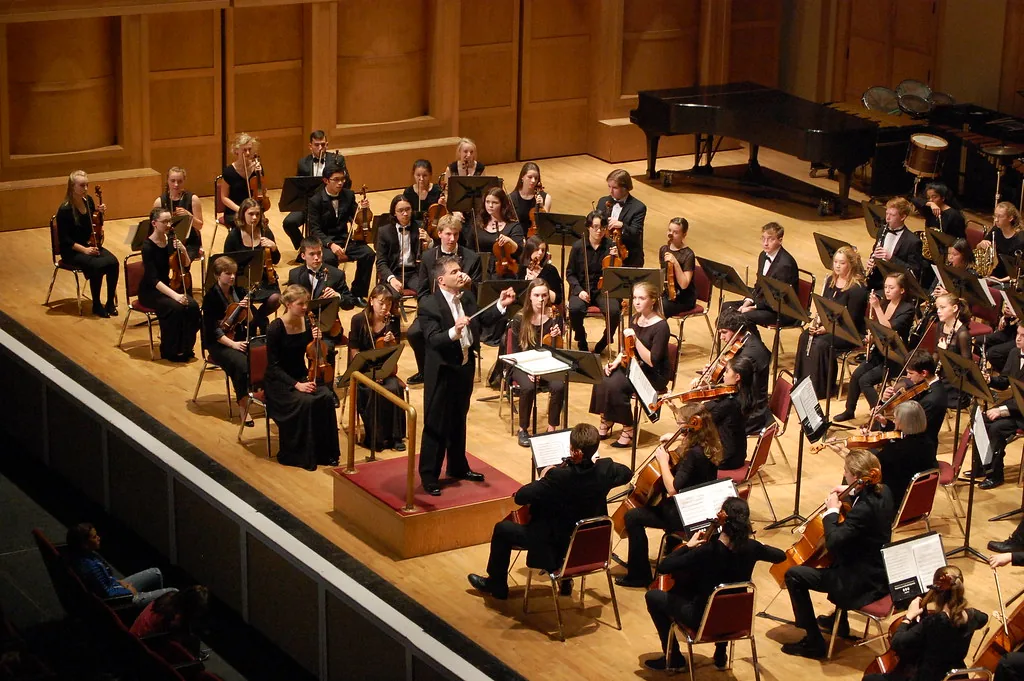
Soundpainting is a form of artistic expression created by Walter Thompson in the 1970s. It is a real-time composition language that enables a conductor, or soundpainter, to direct musicians and performers from different media in the creation of a multidisciplinary performance.
The soundpainter uses a gestural vocabulary consisting of more than 1,200 signs to give real-time instructions, such as tempo changes, key variations, or the addition of instruments. The musicians and visual artists then interpret these signs to create a collective work.
Soundpainting is characterized by collective improvisation, enabling artists to work in harmony to produce a work that is unique with every performance. This art form is often used in experimental or avant-garde contexts.
Soundpainting is a living language that enables real-time communication between artists. It is a powerful tool for collective creation and improvisation, and its popularity continues to grow around the world.
The Evolution of Soundpainting in the Digital Age
Soundpainting has evolved considerably since its creation in the 1970s. In the digital age, this form of artistic expression continues to adapt and innovate to meet the demands of the contemporary world.
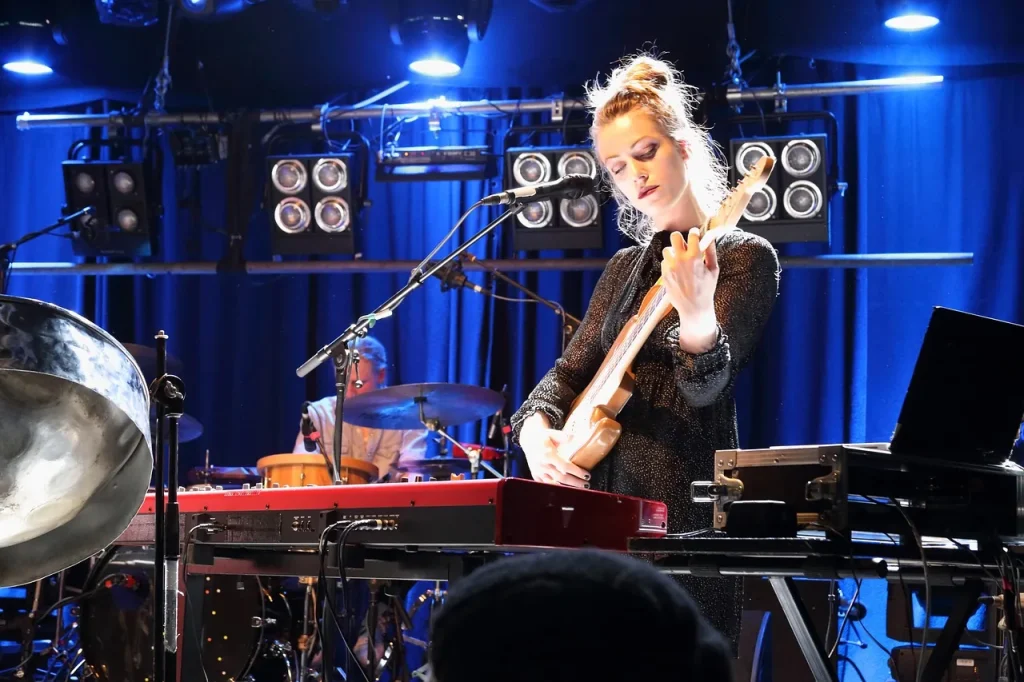
Technology plays a central role in the evolution of soundpainting in the digital age, offering new methods of creation and performance. Artists can use music composition software, electronic instruments, and online platforms to collaborate remotely. The possibilities offered by these digital tools have expanded the scope of artistic experimentation, while making soundpainting accessible to a wider audience.
However, digital soundpainting is not limited to the use of advanced technologies. Artists must also be creative to make the most of the new possibilities available to them. They must also consider the changing expectations of audiences seeking new interactive and immersive experiences. This often requires a hybrid approach that combines the advantages of technology with traditional soundpainting practices.

Image showing an artist using music composition software
The Challenges of Soundpainting in the Digital Age
The advent of the digital age has disrupted many artistic fields, particularly music. Although technology has brought unprecedented opportunities to soundpainting artists, it has also created new challenges. Mastering technology is certainly one of the most significant challenges. Soundpainting artists must be able to integrate technology seamlessly into their creative process without losing sight of the genre’s key elements.
Another challenge is audience engagement. Although technology makes it possible to reach a wider audience, artists must be able to captivate viewers in an information-saturated environment. They must create performances that are both compelling and interactive, involving the audience in the creative process.
Finally, soundpainting artists must face the challenge of preserving their artistic integrity. While technology enables closer collaboration and greater accessibility, it can also dilute an artist’s vision. Artists must strike a balance between using technology to enhance their art and preserving their own artistic voice.
The Opportunities for Soundpainting in the Digital Age
Soundpainting is a form of artistic expression that has rapidly adapted to the technological developments of our digital age. This adaptability has opened up new possibilities for the soundpainting community, which has harnessed these technologies to expand its field of activity and artistic reach.
Through the use of technology, soundpainting artists can now collaborate remotely with musicians, incorporate electronic sounds and effects into their performances, and even control lighting and visual scenes in real time.
This also means that soundpainting is now more readily accessible to audiences around the world through online broadcasts of live performances and high-quality recordings.
Furthermore, technological advances have enabled soundpainting artists to create interactive multimedia experiences for their audiences, using video projection and projection mapping to complement their sound performances.

Finally, the collective and collaborative nature of soundpainting composition fits perfectly with the digital age, in which online collaboration and communication have become commonplace. Technology allows soundpainting artists to collaborate easily with artists from different countries, work remotely on projects, explore new sound textures, and create works that push the boundaries of their art.
Collective Composition and Musical Improvisation in Digital Soundpainting
Soundpainting is a form of artistic expression that often involves collaboration among several artists. This is why collective composition and musical improvisation play an essential role in the creative process of digital soundpainting.
Technology offers new possibilities for collective composition by enabling artists to work together remotely, exchange ideas, and create music in real time. Online platforms, music production software, and mobile applications make collaboration between artists easier and more effective, regardless of their geographical location.
Thus, even if the artists are not in the same room, they can create complex sound compositions together in real time. This gives them greater freedom of expression and more spontaneity in creating music.
| Advantages of Collective Composition in Digital Soundpainting | Disadvantages of Collective Composition in Digital Soundpainting |
|---|---|
|
|
Musical improvisation is also a key element of soundpainting. It enables artists to explore new musical directions, experiment with new ideas, and create unique compositions in real time. In digital soundpainting, technology can help artists improvise by providing interactive tools, sound effects, and prerecorded loops.
These tools allow artists to enjoy greater freedom of expression while maintaining the composition’s artistic quality. Technology can also help them communicate more effectively with one another in real time, making improvisation easier.
In short, collective composition and musical improvisation have always played an important role in soundpainting. With the digital age, these elements have become even more crucial to the success of this form of artistic expression. Technology offers new possibilities for collaboration and improvisation, enabling artists to explore new directions and create unique compositions through digital soundpainting.
The Importance of Visual Communication in Digital Soundpainting
Visual communication plays a central role in soundpainting, and this is even more true in the digital age. Gestures, movements, and visual cues are all ways for artists to understand one another and adapt in real time to changes in the direction of a musical improvisation. In digital soundpainting, this visual communication is particularly important because it bridges the gap that may exist between the musicians performing onstage and the audience watching them online.
Visual cues can take many forms in digital soundpainting. For example, artists can use graphic symbols to indicate precise directions in a musical improvisation or interactive movements to signal harmonic transitions. Visual cues can also indicate changes in tempo or texture, or synchronize the musicians’ movements with video projections or lighting effects.
In digital soundpainting, visual communication is also used to enhance the performance’s visual dimension. Artists can play electronic instruments that produce sounds and visual effects, thereby creating a compelling multimedia performance that engages several senses at once. Similarly, visual cues can help strengthen the theatrical aspect of soundpainting by enabling artists to create characters and stories through gestures and movements.
In short, visual communication is an essential element of digital soundpainting. It promotes better understanding and more precise communication between artists while creating a compelling visual experience for the audience.
Conclusion
In conclusion, soundpainting is a form of artistic expression that has successfully evolved with the digital age, taking advantage of the opportunities offered by technology to enrich its language and broaden its audience. However, this adaptation is not without challenges, and artists must contend with complex issues relating to the integration of technology, the preservation of artistic integrity, and visual communication.
Despite these obstacles, digital soundpainting offers exciting possibilities for artistic collaboration, innovative performance, and collective music creation. Artists who seize these opportunities can open up new avenues for this fascinating form of expression while reaffirming its importance in an increasingly technology-driven world.