
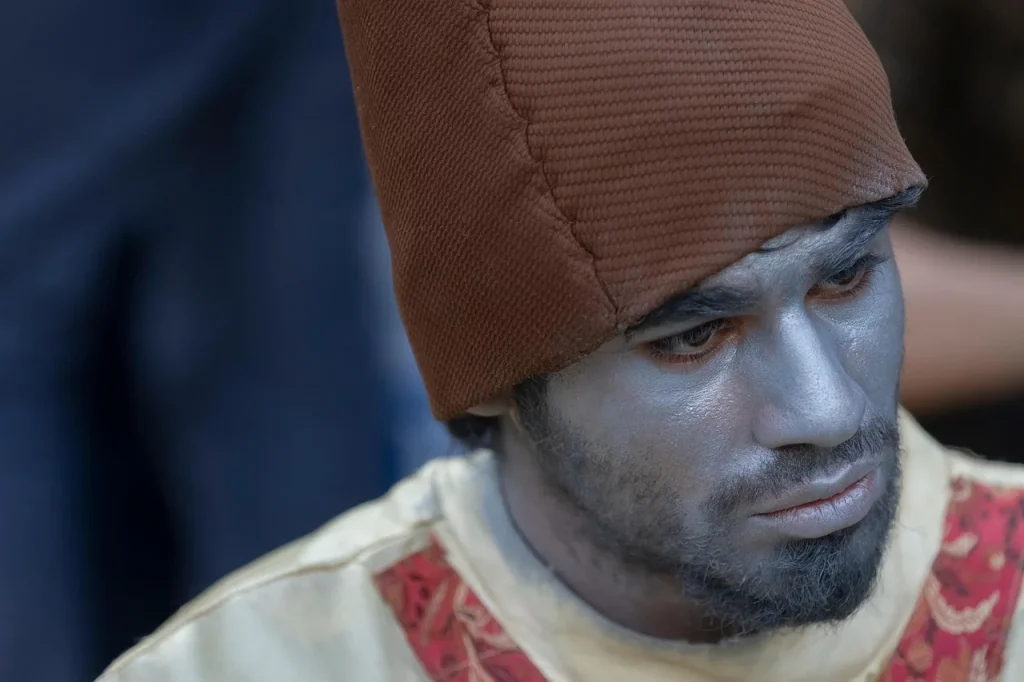
Although soundpainting is considered a relatively new art form, it has already begun to make waves in the creative industry. Many artists have started exploring the possibilities offered by this captivating technique and incorporating it into various artistic fields.
Theater, in particular, has developed a creative alliance with soundpainting. By combining these two art forms, new levels of creativity and artistic expression have been achieved.
The visual art and artistic performance of soundpainting
Soundpainting is a real-time composition technique that uses specific gestures to direct musicians and artists in creating a collective work. This method gives rise to incredible artistic performances in which musicians use their bodies and minds to create unique compositions. In addition to its practical function, soundpainting can also produce fascinating visual elements that help enhance the music’s emotional impact.
Soundpainting is a multidisciplinary art form that combines music, theater, dance, and visual art. Artists work together using specific gestures to create a work of art that blends different forms of artistic expression. The visual elements of soundpainting are particularly interesting because they add another dimension to the performance. Artists can use their bodies, objects, and costumes to create unique visual images that enhance the music’s emotional impact.
For example, artists who use soundpainting can place road signs on stage to represent images that match the theme of the music. Musicians can also perform synchronized dance movements to reinforce the music’s rhythm and tone. Ultimately, the visual art of soundpainting adds another dimension to the performance, helping to increase the music’s emotional impact.
By using soundpainting, artists can create fascinating artistic performances that blend several forms of artistic expression into a single show. The visual elements of soundpainting add a meaningful dimension to the performance by enhancing the music’s emotional impact.
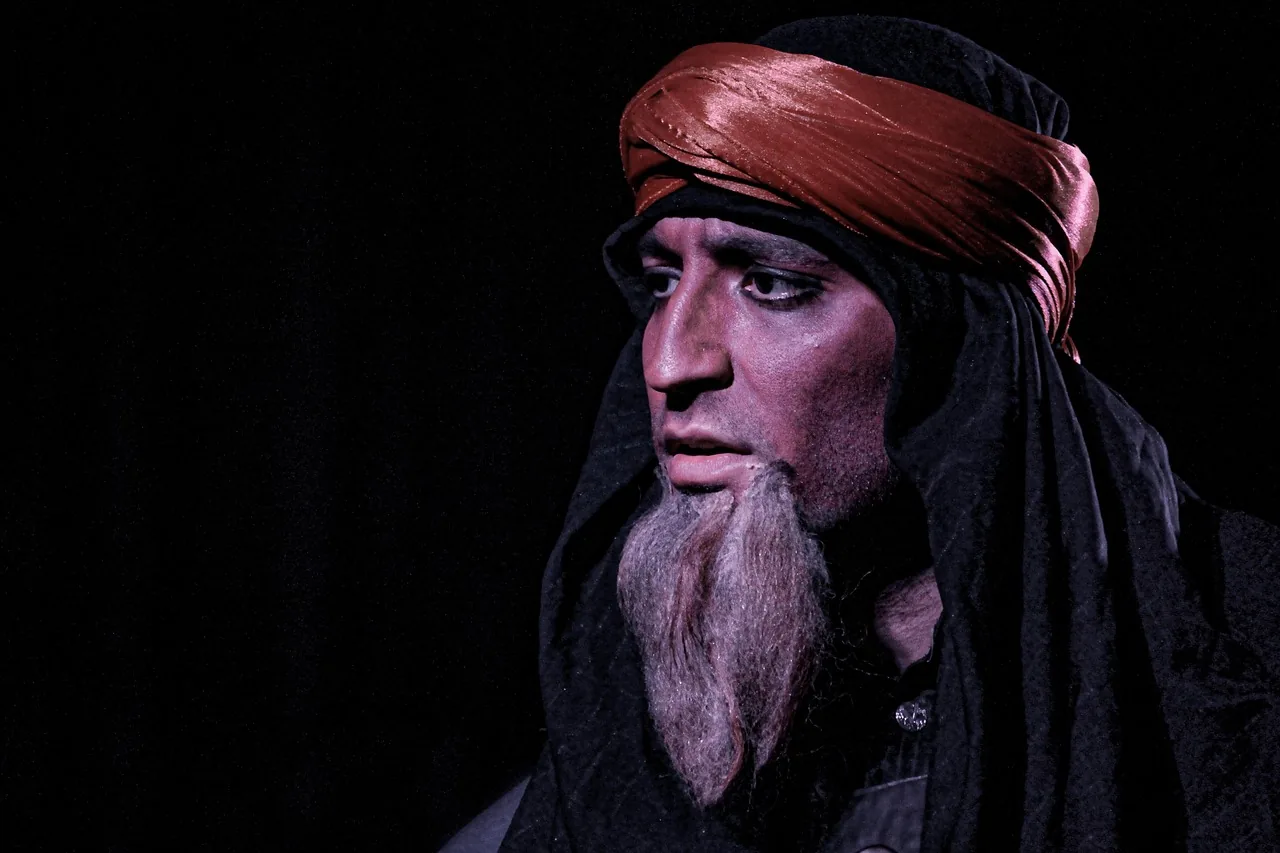
Enriching dramatic techniques through soundpainting
Soundpainting is a real-time composition language that makes it possible to explore the visual, auditory, and kinesthetic dimensions of artistic performance. Using gestures, signs, and verbal directions, the soundpainter directs musicians, actors, and dancers to create an instantaneous composition.
With its non-hierarchical approach, soundpainting integrates seamlessly with theatrical techniques, especially improvisation. By enabling actors to communicate with their bodies, their voices, and their nonverbal language, soundpainting enriches stage expression and offers new possibilities for creating characters and stories.
Body language and nonverbal communication
Soundpainting emphasizes bodily and nonverbal communication. Actors learn to use their bodies to express ideas, emotions, and intentions clearly and concisely. The soundpainter’s signs and gestures enable them to understand changes in the composition and respond to them in real time, thereby creating an organic and authentic theatrical performance.
Through soundpainting, actors also learn to listen carefully to one another and respond to their colleagues’ suggestions. This strengthens teamwork and collaboration, which are essential to successful theatrical performances.
Theatrical improvisation
Soundpainting is particularly effective for theatrical improvisation. Actors can create characters and stories from scratch, using the soundpainter’s signs and gestures to guide their exploration. Soundpainting can be used to create short scenes, sketches, or even full-length plays.
By using soundpainting, actors can also overcome creative blocks and push beyond their personal limits. The soundpainter encourages them to leave their comfort zones and explore new ideas and concepts, which can lead to bolder and more innovative theatrical performances.
Live composition and theatrical improvisation with soundpainting
Soundpainting is not limited to music or dance; it can also be used in theater as a form of nonverbal communication to create a shared body language among actors.
With soundpainting, actors can create a live composition during a theatrical performance. The soundpainter’s signs and gestures can guide the actors through their theatrical improvisation, providing clear direction while allowing them considerable artistic freedom.
Live composition enables actors to create unique and unexpected moments for the audience. It also strengthens interaction among the actors and creates a more authentic experience for the audience.
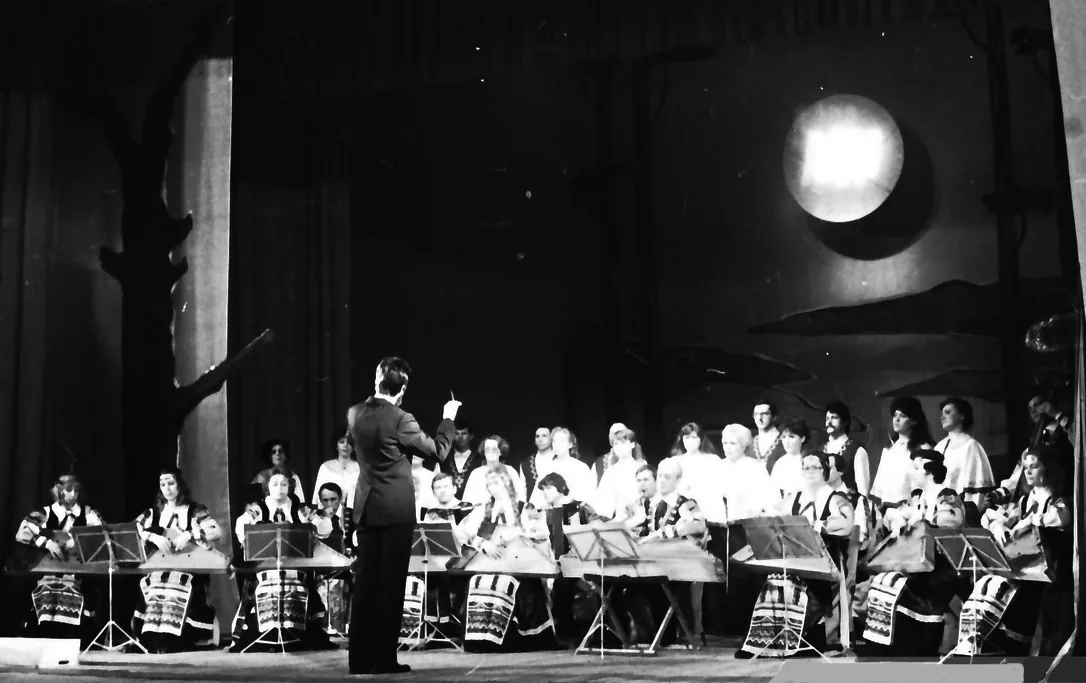
Through soundpainting, actors can also explore themes and emotions that are difficult to express verbally. The soundpainter’s signs and gestures can help actors communicate ideas and feelings more easily and more deeply.
Ultimately, using soundpainting in theater enables a deeper exploration of improvisation, artistic expression, and nonverbal communication. It can offer audiences a more immersive and memorable experience while giving artists a new way to explore and express themselves through the performing arts.
The collaborative dimension of the alliance between soundpainting and theater
One of the most exciting aspects of the alliance between soundpainting and theater is its collaborative dimension. Artists work together to create an immersive artistic experience that combines auditory, visual, and dramatic elements. This close collaboration enables artists to build rich, complex performances that captivate audiences and evoke profound emotions.
Soundpainting is a technique that requires strong nonverbal communication and active listening. Artists must work together to create spontaneous compositions that integrate visual and auditory elements. This collaboration requires complete trust and an open mind, as artists must be willing to accept one another’s ideas and incorporate them into their own performances.
This collaborative dimension is essential to artistic expression in soundpainting and theater. By working together, artists can explore new ideas and new forms of expression. This collaboration also helps break down barriers between artistic disciplines, which can lead to unique and innovative performances.
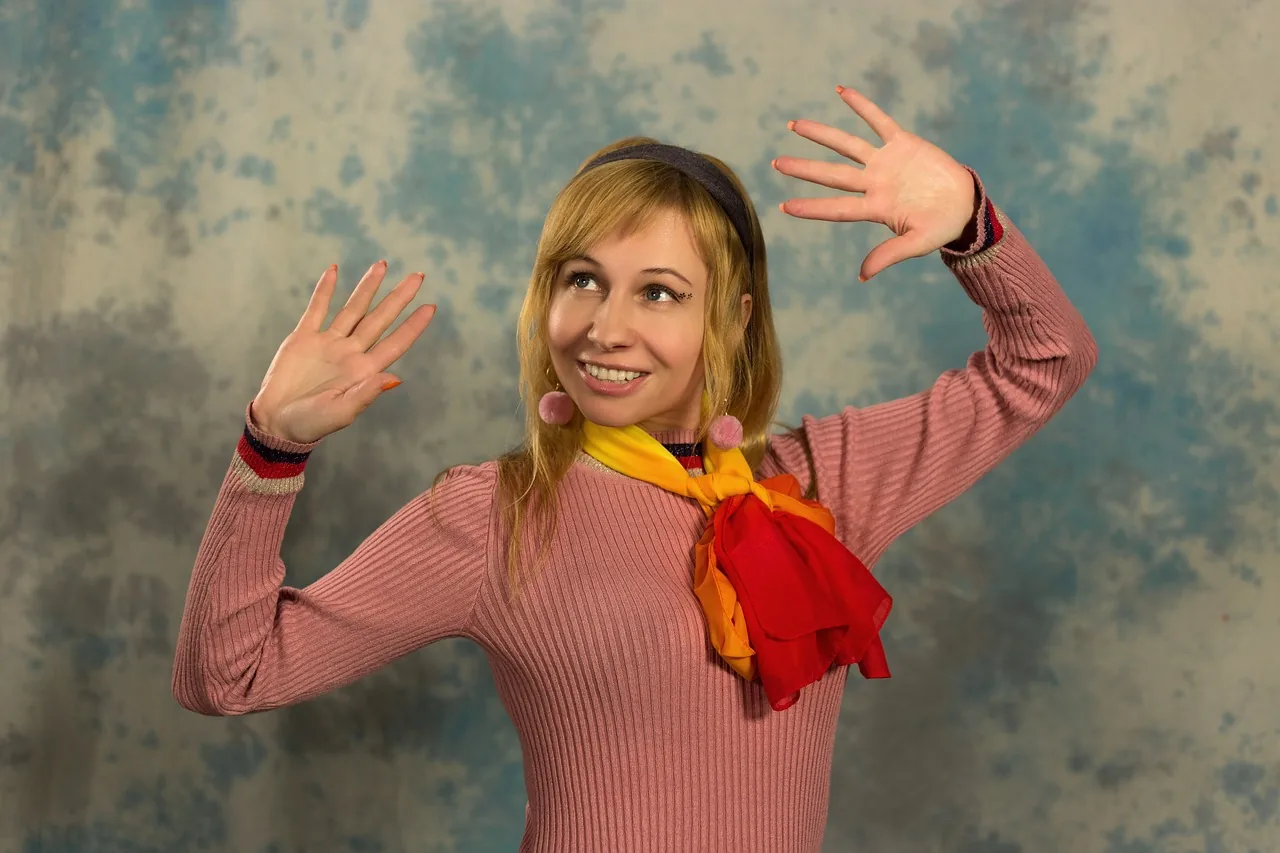
Ultimately, the alliance between soundpainting and theater is a celebration of collective creativity. Artists collaborate to create performances that exceed the sum of their individual contributions, exploring new artistic territories and offering audiences unique experiences.
The collaborative dimension of the alliance between soundpainting and theater
Soundpainting and theater are two forms of artistic expression that have formed an enriching creative alliance. This collaboration makes it possible to explore new artistic dimensions and fosters mutual inspiration that stimulates creativity in each discipline.
The collaborative dimension of this alliance is paramount. It enables artists to work together and express ideas that would be difficult to realize if everyone worked separately. Together, they can use the different techniques and tools of soundpainting and theater to enrich their artistic expression and create unique, unforgettable performances.
Enhanced nonverbal communication
The alliance between soundpainting and theater strengthens nonverbal communication among artists. Through body language and the conventional signs of soundpainting, artists can communicate their ideas fluidly and intuitively. Actors can also use these signs to improvise together and create spontaneous scenes that respond to the impulses of the moment.
A wealth of dramatic techniques to explore
Soundpainting brings a wealth of dramatic techniques to theater. Improvisations based on signs make it possible to create unique, relevant scenes in real time, while musicians can add auditory elements that enhance the atmosphere and emotion of the performance.
Soundpainting also makes it possible to move beyond theatrical conventions and explore new expressive techniques. Artists can create original characters, surprising scenes, and unique atmospheres that astonish and fascinate the audience.
Live composition
The soundpainting/theater alliance also enables artists to work with live composition. They can improvise the music, stage design, and dialogue, using soundpainting signs to coordinate their actions and create a harmonious performance.
This live composition technique allows artists to respond instantly to the audience’s reactions and create a unique experience at every performance.
A collaboration that stimulates creativity
Finally, collaboration between soundpainting and theater stimulates creativity. It enables artists to leave their comfort zones and draw inspiration from new techniques, new artistic horizons, and new emotions. Collaboration between musicians and actors is a genuine team effort that requires listening and sharing and makes it possible to create unforgettable artistic performances.
Conclusion
The alliance between soundpainting and theater is a genuine source of inspiration for artists. It makes it possible to explore new dramatic techniques, improve nonverbal communication, and create unique musical and theatrical performances. It also offers a form of collaboration that stimulates creativity and enables artists to work together and discover one another. This alliance is a genuine asset to contemporary artistic expression.