
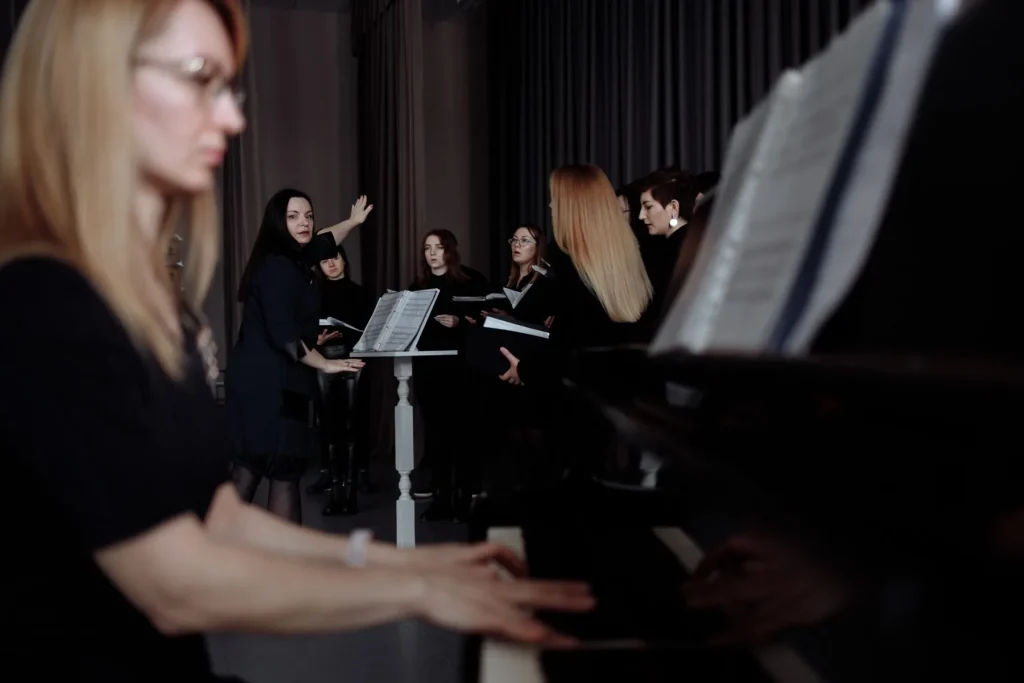
Musical creation is a form of artistic expression that offers musicians and composers a wealth of possibilities. However, there is a little-known artistic technique that can considerably enhance creativity, collaboration, and individual expression: soundpainting.
Soundpainting is a universal language for musical composition and improvisation that uses gestures to guide musicians during live musical creation. It allows musicians to express themselves individually while collaborating with others, thereby creating a unique and synchronized musical experience.
In the following sections, we will explore the benefits of soundpainting for musicians and composers and explain how this artistic technique works and can be practiced.
What Is Soundpainting?
Soundpainting is an artistic technique for musical composition and improvisation created in the United States in 1974 by composer Walter Thompson. Originally, it was a gestural language for conducting orchestras that made it possible to guide musicians through improvisation. Today, soundpainting has become a truly universal language used by musicians and artists from all backgrounds to create spontaneous, collaborative music.
Soundpainting combines several artistic disciplines, including music, dance, theater, and visual arts, to encourage creativity and collaboration among artists. Artists use precise gestures to direct musicians and lead them to explore new sounds and musical concepts. This unique technique offers great artistic freedom while fostering synchronization and cohesion among musicians.
Soundpainting is an artistic technique for musical composition and improvisation created in the United States in 1974 by composer Walter Thompson.
Soundpainters—that is, artists who practice soundpainting—use a precise gestural vocabulary comprising more than 1,200 different signs to give musical instructions in real time. These instructions may include compositional elements such as forms, textures, and dynamics, as well as improvisational elements such as solos and transitions.
Soundpainting allows musicians to focus on their individual expression while working closely with the other members of the group. Artists can thus discover new ways to play together, explore sounds, and create unique compositions.
Soundpainting is taught in numerous workshops and training programs around the world, enabling musicians and artists of all levels to develop skills in musical composition and improvisation.
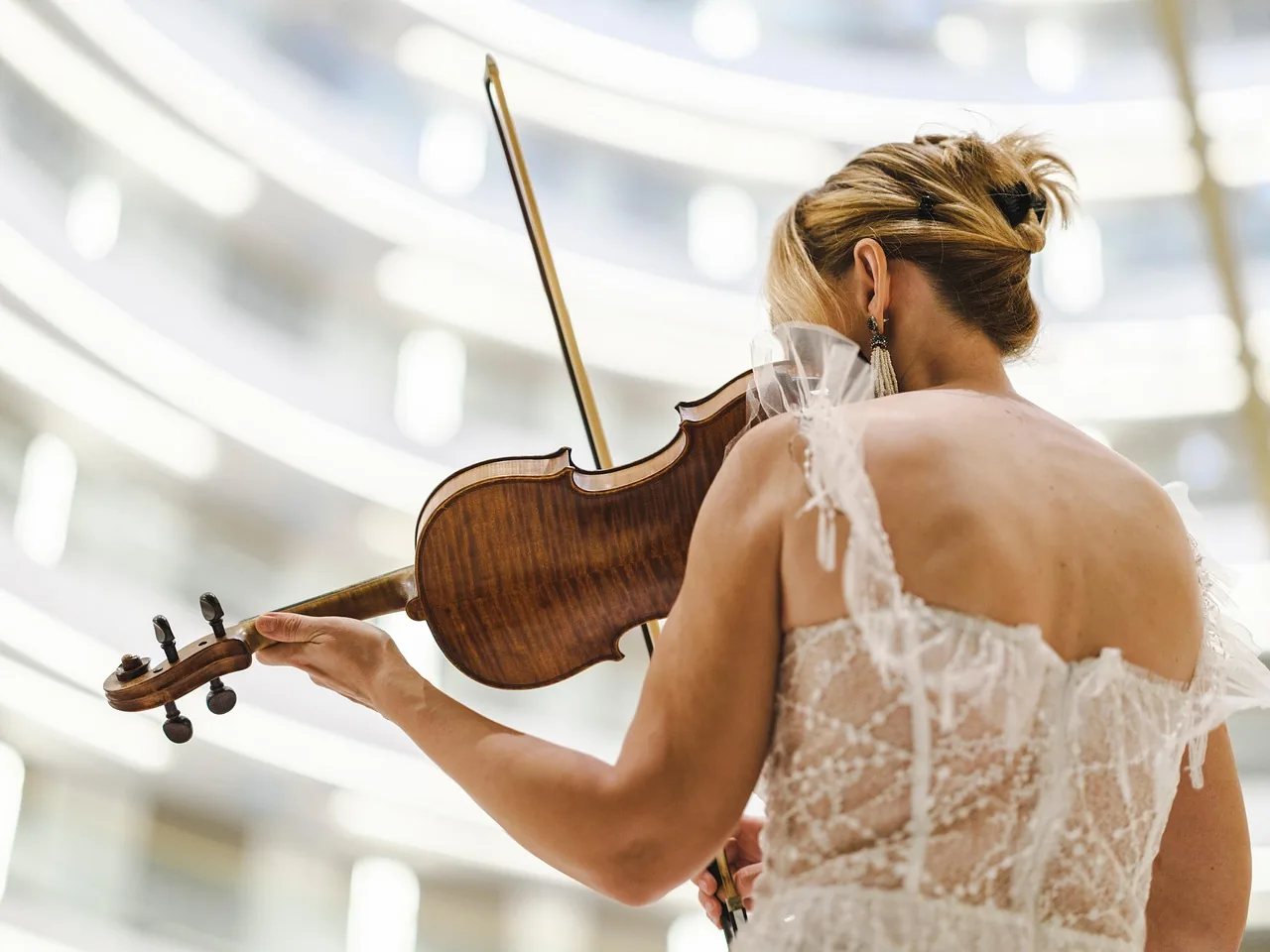
The Benefits of Soundpainting for Musicians
Soundpainting offers many benefits to musicians seeking a unique and stimulating musical experience. This artistic technique encourages creativity, individual expression, and collaboration among musicians.
By practicing soundpainting, musicians have the opportunity to step outside their comfort zones and explore new avenues of musical creation. They are encouraged to express themselves individually while working in harmony with the other members of the musical ensemble.
Soundpainting also makes it possible to synchronize the musicians’ movements and sounds in real time, creating an immersive and synchronized musical experience for listeners.
Thanks to its improvised nature, soundpainting encourages musicians to venture off the beaten path and experiment with new ideas. They can draw inspiration from the other members of the musical ensemble, thereby creating an environment conducive to fruitful artistic collaboration.
Ultimately, soundpainting offers musicians an exciting and innovative alternative to traditional composition and performance. Musicians can explore new horizons in musical creativity while having fun and collaborating with other artists.
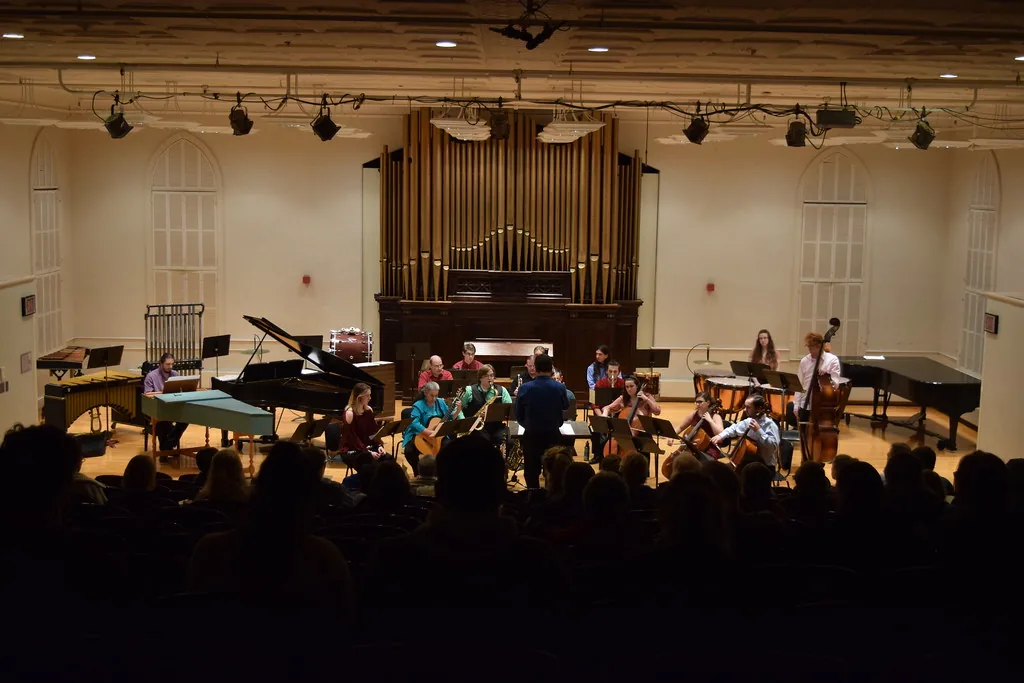
For musicians looking for an innovative way to explore their art, soundpainting is a promising option.
The Benefits of Soundpainting for Composers
Composers also have much to gain from practicing soundpainting. In addition to the benefits for musicians mentioned above, soundpainting can also stimulate their musical creativity.
Soundpainting allows composers to explore new ideas and step outside their comfort zones by encouraging improvisation and experimentation. By using this universal language, they can communicate more easily with other musicians and collaborate more effectively during their creative process.
Furthermore, soundpainting can help composers develop their sense of timing and rhythm, which are essential skills for a composer.
In short, soundpainting offers composers a multitude of benefits, ranging from inspiration and creative stimulation to improved musical collaboration skills.

How Can You Practice Soundpainting?
To practice soundpainting, it is essential to take part in workshops led by experienced conductors. These workshops give musicians and composers an opportunity to learn soundpainting techniques and codes, as well as to exercise their musical creativity in collaboration with other artists.
Online training programs and resources are also available to those who wish to deepen their soundpainting practice. These programs offer theoretical and practical courses, along with personalized guidance to help participants develop their technique and artistic sensibility.
Outside workshops and training programs, soundpainting can be practiced informally with other musicians interested in the technique. Practicing soundpainting fosters communication among artists and encourages musical experimentation.
To learn more about soundpainting workshops and training programs, you can visit the websites of various organizations, such as Soundpainting Academy, Soundpainting Deutschland, or Soundpainting Society.

Practicing soundpainting allows musicians and composers to develop their musical creativity while discovering a new, original, and collaborative form of artistic expression.
Conclusion
In short, soundpainting offers numerous benefits to musicians and composers. It stimulates musical creativity and encourages individual expression and artistic collaboration while providing a universal language for musical communication.
Workshops and training programs are available to those who wish to practice and master this unique artistic technique. We strongly encourage our readers to explore soundpainting and discover how it can enrich their own artistic journeys.