
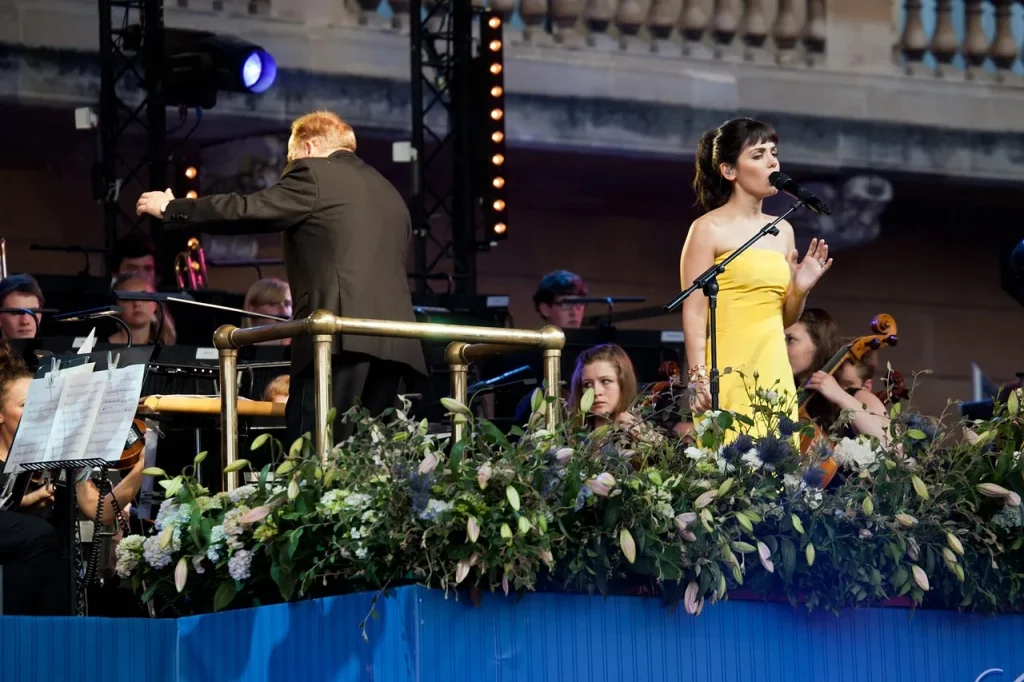
Soundpainting is a unique artistic concept that blends music, movement, and real-time composition. If you are passionate about music and art, organizing a soundpainting performance can be an excellent way to create an immersive and innovative artistic experience.
In this first section, we will guide you through the steps to follow and give you practical tips for organizing a successful soundpainting performance. Whether you are an artist or an organizer, you will discover how to plan and coordinate a performance that both the audience and the artists will appreciate.
What Is Soundpainting?
Soundpainting is a unique artistic concept that combines music, movement, and real-time composition. It was developed in the 1970s by American composer Walter Thompson and is now used by artists from a wide range of disciplines, from jazz and dance to theater.
An improvised orchestra is one of the key elements of soundpainting. The artists work together to create original music in real time, using a gestural language to communicate musical instructions. Soundpainting allows artists to collaborate and express themselves creatively, producing compositions that are unique to each performance.
The real-time composition process is another important aspect of soundpainting. The artists use their creativity and intuition to create unique, evolving music throughout the performance.

The gestural language used to communicate musical instructions may seem complex, but it is actually quite easy to learn. The gestures provide directions concerning the timbre, texture, dynamics, form, and structure of the real-time composition.
In short, soundpainting is a unique form of artistic expression that allows artists to collaborate and express themselves creatively. The concept combines music, movement, and real-time composition, creating a captivating experience for both the artists and the audience.
Steps for Organizing a Soundpainting Performance
Organizing a soundpainting performance is a complex process that requires meticulous attention to detail. Here are some key steps to follow to help ensure the success of your event:
1. Find Suitable Artists and Musicians
Selecting the artists and musicians is a crucial step in ensuring the quality of your soundpainting performance. Make sure you look for artists who have experience with this type of project and are open to collaboration and experimentation. Remember that soundpainting is a form of collective expression, so harmony among the artists is very important.
2. Select a Suitable Venue
Choosing a suitable venue for your soundpainting performance is also crucial. Make sure you choose a performance space with good acoustics and a stage large enough to accommodate all the artists and musicians. Remember to consider technical requirements such as lighting and sound.
3. Schedule Rehearsals in Advance
Rehearsals are essential to the success of your soundpainting performance. Schedule them far enough in advance to allow all the artists and musicians to become familiar with the gestural language of soundpainting and work together to create the music. Also make sure you have a rehearsal space that is large enough and suited to your needs.
4. Promote the Event to the Public
Promoting your event is important for attracting a large and diverse audience. Use social media, posters, and press releases to promote your soundpainting performance. Consider collaborating with local partners or other organizations to reach an even wider audience.
5. Ensure the Technical Quality of Your Event
Finally, make sure all technical aspects have been planned to ensure the success of your soundpainting performance. Plan the lighting, sound, and stage layout, as well as logistical matters such as welcoming the audience, security, and ticketing. By keeping an overview of everything, you can help ensure that your event runs smoothly.
Image: steps for organizing a soundpainting performance
Tips for Organizing a Successful Soundpainting Performance
To ensure the success of a soundpainting performance, it is essential to prepare thoroughly and work closely with the artists involved. Here are some practical tips to keep in mind:
- Communicate clearly: Communication is the key to a successful performance. Make sure you give the artists clear instructions and explain your expectations thoroughly. Avoid misunderstandings by using clear, precise language.
- Encourage collaboration: Soundpainting is a form of artistic collaboration. Encourage the artists to work together and express their creative ideas. Create an open, stimulating environment that fosters collaboration and individual expression.
- Be flexible: Soundpainting is a form of spontaneous art that is unpredictable by nature. Be prepared to adapt and improvise if things do not go exactly as planned. Flexibility is essential to ensuring a fluid and creative performance.
- Direct precisely: As the organizer, you are responsible for the artistic direction. Use clear, precise gestures to communicate your instructions to the artists. Pay attention to changes in the group’s dynamics and adjust your direction accordingly.
- Create the right atmosphere: A soundpainting performance needs to take place in a suitable environment. Choose a venue with good acoustics and enough space for the artists to move freely. Create a welcoming, relaxed atmosphere that encourages creativity and artistic expression.
- Allow enough time: Soundpainting is a creative process that requires time and patience. Allow enough time for rehearsals and preparation before the performance. Make sure everything is ready on the day of the performance to avoid delays and unforeseen problems.
The Organizer’s Role in a Soundpainting Performance
Organizing a soundpainting performance depends largely on the organizer’s experience and expertise. As the person responsible for the event, you are in charge of coordinating every stage of the process, from selecting the artists to managing rehearsals and technical equipment. Here is an overview of the organizer’s main responsibilities:
Selecting the Artists
Choosing the artists is essential to ensuring the success of a soundpainting performance. Depending on the event’s concept and aesthetic, the organizer must find musicians and dancers who have the skills and creativity required to improvise and collaborate in real time. The selection process must also take into account the artistic coherence of the ensemble and the diversity of the styles and musical genres represented.
Coordinating Rehearsals
Rehearsals are a key part of preparing a soundpainting performance. As the organizer, you must schedule and coordinate rehearsals around the artists’ timetables and availability. It is also important to ensure that every artist understands the event’s concept and expectations and has enough time to become comfortable with the soundpainter’s instructions and directions.
Managing Technical Equipment
A soundpainting performance often requires complex technical equipment, such as microphones, speakers, and electronic instruments. As the organizer, you must make sure that all necessary equipment is available and in good working order and that the artists have the information they need to use it correctly.
In short, the organizer plays an essential role in preparing and coordinating a successful soundpainting performance. By selecting skilled, creative artists, coordinating rehearsals and technical equipment, and creating an atmosphere conducive to creativity and collaboration, the organizer can ensure an unforgettable experience for both the audience and the artists.
The Challenges and Benefits of a Soundpainting Performance
Organizing a soundpainting performance can present several challenges, but the artistic benefits can be significant. One of the main challenges is finding experienced artists who can work together to create a cohesive performance. This can take time and require careful planning to ensure that all participants are available.
Another challenge can be finding a suitable venue for the performance. Setting up the technical equipment can also be complicated, particularly if the performance takes place outdoors and requires sound equipment and electrical generators.
However, the artistic benefits can outweigh the challenges. Soundpainting allows artists to collaborate creatively and explore new forms of musical and physical expression. Soundpainting performances can also offer the audience a unique experience, with elements of surprise and real-time improvisation.
Soundpainting can also help develop trust and communication among artists, which can benefit their future work together. The collaboration and creativity skills acquired while preparing and delivering a soundpainting performance can be transferred to other artistic projects.
In short, although organizing a soundpainting performance can present challenges, the artistic and creative benefits it offers can be significant for both the artists and the audience.

Conclusion
In short, organizing a soundpainting performance may seem complex, but with careful planning and clear communication, it can be an incredibly rewarding artistic experience for both the musicians and the audience. By following the practical steps and advice presented in this article, you can create a high-quality performance that showcases creativity, collaboration, and improvisation.
Soundpainting also gives artists a unique opportunity to work together and explore their creative expression in a playful, experimental way. Although some challenges may arise along the way, the reward of creating something unique and memorable is invaluable.
Ultimately, organizing a successful soundpainting performance requires a combination of technical skills and artistic sensitivity. As the organizer, you play a key role in creating the atmosphere and conditions that allow the musicians to perform at their best. Remember to communicate effectively with your team, remain open to improvisation and experimentation, and give everyone the freedom to express their creativity.