
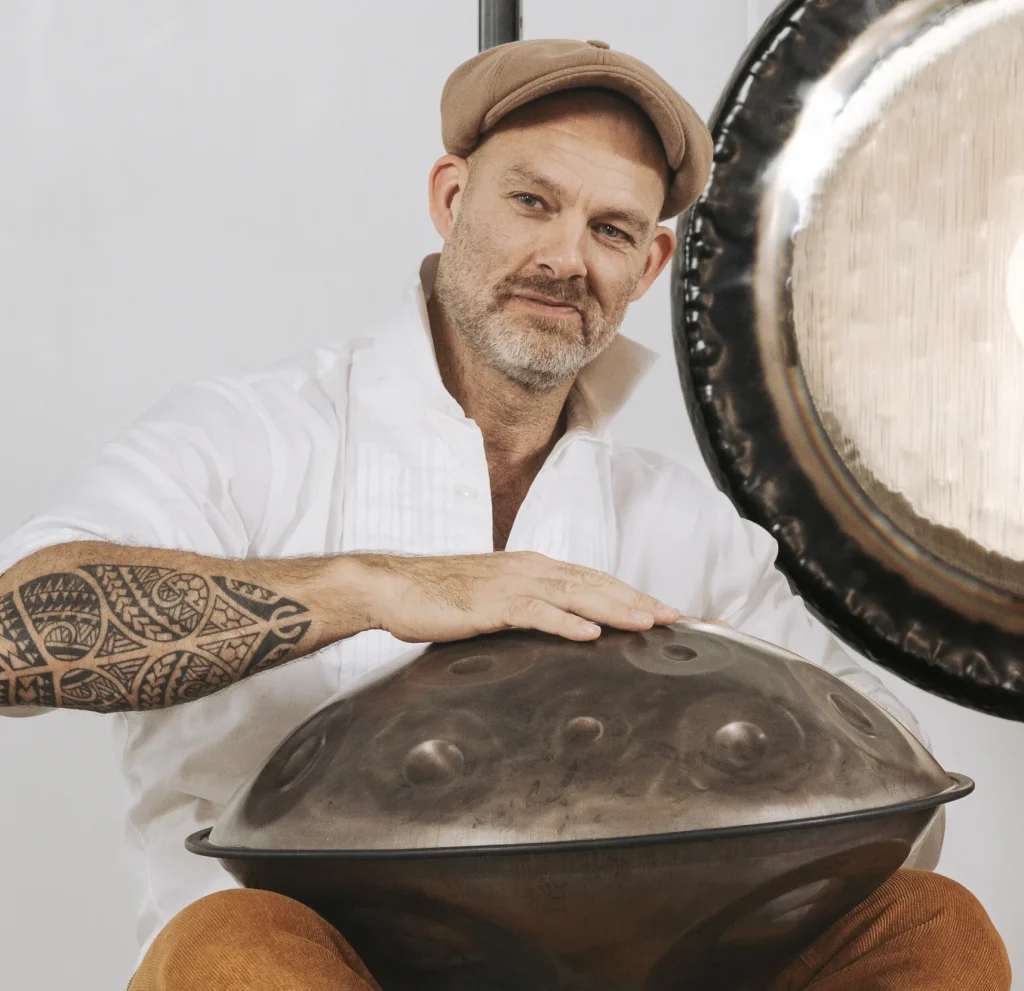
The handpan is a unique musical instrument, appreciated for its soothing sounds. Finding the right model can be challenging, especially with the growing range available in France.
You have several options: specialist shops, artisan makers, or online platforms. Each channel has its advantages, but quality and reliability should guide your choice.
Prices generally range from €1,200 to €2,500 for a basic model. Investing in a handpan therefore requires careful selection.
In this article, we explore the best ways to acquire this exceptional instrument. Discover our tips for making an informed purchase.
Introduction to the Handpan Market in France
In recent years, the handpan market in France has expanded considerably. This instrument, with its captivating sound, appeals to musicians and beginners alike, encouraging new businesses to emerge.
Recent Market Developments
Five years ago, makers’ order books were full, with delivery times often exceeding one year. Organization has since improved, shortening these waits through better-structured production.
The growing accessibility of the handpan is also supported by specialist retailers and dedicated websites, which provide wider access to this instrument. Models are becoming more diverse, ranging from purely handcrafted instruments to semi-industrial production.
Price Range for a Quality Handpan
A new nine-note handpan generally costs between €1,200 and €2,500. This price range reflects the quality of the materials and the maker’s craftsmanship.
Be wary of models costing less than €1,200. An excessively low price may conceal manufacturing defects or unsuitable materials. To make the right choice, consult our guide to selecting a handpan.
Buying Your Handpan Directly from a Maker
Choosing a specialist maker gives you the benefit of artisanal expertise and customized service. This approach ensures optimal quality and instrument traceability, from its design through to delivery.

The Benefits of Direct Contact with the Artisan
Working with a maker offers several benefits:
- Customization: choice of notes, finishes, and even patterns.
- Expert advice: the artisan guides your selection according to your level and style.
- Traceability: you know the origin of the materials and the manufacturing stages.
Moreover, it is often possible to try the instrument in the workshop. This lets you assess its tone and ergonomics before buying.
7 Essential Questions to Ask the Maker
Before ordering, ask these key questions:
- How much experience do you have making handpans?
- Do you have models in stock, or are instruments made to order?
- What warranties are included (for example, two years from Metal Sounds)?
- How do you handle after-sales service if a problem arises?
Example of a French Maker: Metal Sounds
Based in Saint-André-de-Sangonis, Metal Sounds embodies artisanal excellence. Its steel nitriding process provides exceptional durability. Production times for customized models range from three to six months.
Its showroom and retailer network make it easier to try the instruments. To learn more about the available options, consult our complete guide.
Specialist Music Shops in France
Trying a handpan in a shop lets you experience its sound immediately. These retailers provide privileged access to inspected instruments, along with professional guidance.
Advantages and Limitations of Buying in a Shop
The main advantage is being able to try the instrument in person. You can assess its sound quality and ergonomics before buying. Experienced salespeople can guide your choice according to your skill level.
However, stock is often limited to 15–20 instruments per year. Prices are rarely negotiable, and some salespeople lack specific training in handpans.
List of Recommended Retailers
Two establishments stand out:
- Djoliba Percussions (Toulouse): renowned for its ethnic instruments and acoustic expertise.
- La Baguetterie (Paris): offers artisan models with strong after-sales support.
How to Assess Quality in a Shop
Test the harmonics by striking each note. Check the welds and make sure there are no cracks. Also compare the exchange policies of the different retailers.
A quality handpan produces a clear, sustained sound. Be wary of models whose price seems too attractive.
Websites Specializing in Handpans
When looking for a quality instrument, specialist websites provide a convenient solution. They bring together a variety of models, detailed technical specifications, and useful customer reviews to guide your choice.
How to Recognize a Trustworthy Website
A reputable website displays its legal information (SIRET business registration number and physical address). Also check video testimonials and verified reviews to avoid scams.
Favor platforms with a clear “About” section. Transparency about makers and materials is a good indicator.
The Importance of After-Sales Service
Strong after-sales service is essential for an instrument such as the handpan. Make sure the website offers:
- Free retuning during the warranty period.
- Short repair times (under 15 days).
- Responsive assistance by email or telephone.
The Right of Withdrawal: A Major Advantage
In Europe, you have 14 days to return a handpan without giving a reason. Specialist websites have a 5% return rate, compared with 22% on marketplaces.
For example, Handpan-Musique.com delivers within seven days in France and offers an at-home trial. Its return process is simple and free of charge.
Precautions to Take with General-Purpose Websites and Marketplaces
General-purpose platforms may seem convenient, but they hide pitfalls for handpan buyers. With 68% of disputes linked to purchases on eBay or Amazon, the secondhand market requires extra vigilance.

The Risks of Nonspecialist Platforms
A nonexpert seller may offer poor-quality instruments. Common problems include:
- White-label handpans with no identifiable brand.
- Complicated returns (an average wait of 47 days).
- Fake reviews (which can be checked with Fakespot).
One buyer on Leboncoin reports: “The handpan had out-of-tune notes and no certificate of authenticity.”
How to Verify an Instrument’s Origin
Always require a certificate signed by the maker. Here is a red list of brands to avoid on marketplaces:
- SoundSkulptor (untreated steel).
- Pantheon Steel copies (faulty welds).
Favor websites that have established direct partnerships with artisans. A good seller will share sound-test videos and details about the maker’s experience.
The Secondhand Market: Opportunities and Pitfalls
Buying a secondhand handpan is an appealing option for budget-conscious musicians. The average discount is 25–30% compared with a new instrument, but this purchase requires extra vigilance.

Secure Platforms and Active Communities
Favor spaces dedicated to musical instruments rather than general-purpose marketplaces. Two reliable options are:
- Specialist networks: French Handpan Connection (12,000 members) offers verified listings.
- Secondhand websites: some makers take back their own models for resale.
One buyer reports: “Facebook groups let you talk directly to the seller and request audio recordings.”
Checklist for a Secure Purchase
Before making any payment, require:
- A video test demonstrating the tuning and resonance of every note.
- Proof of the instrument’s history (original invoice and certificate of authenticity).
- A transaction through an escrow service for private sales.
Visually inspect the welds and check for corrosion. Nitrided-steel models retain their sound better.
Essential Online Communities
Besides French Handpan Connection, explore:
- Handpan Market Europe: focused on exchanges within Europe.
- Physical shops that organize secondhand fairs (for example, Djoliba Percussions).
The secondhand market provides access to rare models such as Pantheon Steel handpans, but beware of low-priced copies.
Essential Criteria for Choosing Your Handpan
Choosing the right instrument depends on several key factors. Sound quality, the number of notes, and the warranties offered should guide your decision.

Number of Notes and Available Scales
Beginners often favor D Kurd or B Celtic scales, chosen by 85% of new players. These tunings offer a balanced, versatile sound.
Here is a quick guide to scales by style:
- Meditation: D Kurd or Amara
- World music: B Celtic or E Pygmy
- Improvisation: C-sharp Hijaz or F Aegean
One expert confirms: “Your choice of notes directly affects your musical experience. Favor scales suited to your skill level.”
Sound Quality and Finishes
Assessing a handpan requires close attention to three aspects:
- Sustain (resonance duration).
- Harmonic balance between notes.
- Consistency of tone.
UV-resistant finishes and surface treatments affect durability. A forging-temperature certificate guarantees optimal construction.
Warranties and After-Sales Service
Warranties vary between makers:
- A minimum of two years for premium models.
- Coverage for manufacturing defects.
- Retuning included (otherwise, the average cost is €150–€300).
Good customer service should respond within 48 hours. Check exchange policies and repair times before buying.
For a closer look at these criteria, consult our complete selection guide for choosing a handpan.
Conclusion: Our Recommendation for Buying with Confidence
Choosing your instrument with confidence requires an informed approach. Artisan makers offer the best experience, with a 94% customer-satisfaction rate. Favor them for customized models and personalized support.
Whether you are a beginner or an expert, always check the quality of the materials and the warranties. Professional advice helps you avoid pitfalls, especially in the secondhand market.
For the best experience, explore Metal Sounds masterclasses. With these tips, buying a handpan becomes a calm, well-informed decision.