
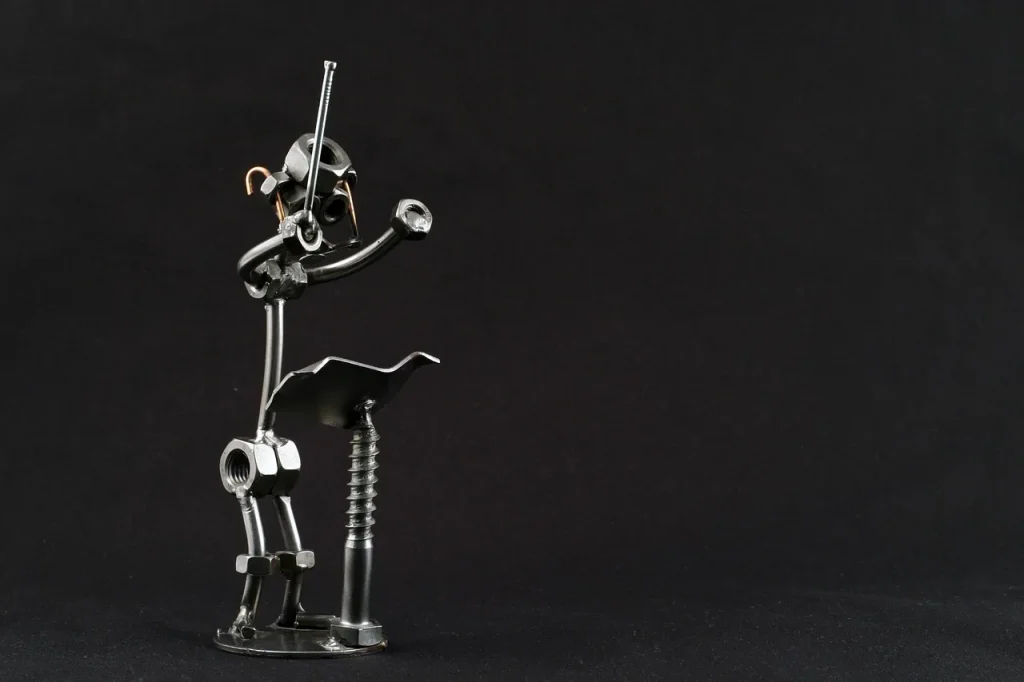
The conductor’s profession has changed considerably over the centuries. This history of the conductor’s profession shows how the conductor became a key artist. Initially, the conductor was often a musician and was not recognized as a distinct professional.
From the 18th century onward, with the emergence of symphonies, the role of the conductor became crucial. In the 19th century, orchestras grew larger, making the conductor indispensable. Today, every conductor adapts their methods to provide a unique experience.
The Origins of Orchestral Conducting
Orchestral conducting has its roots in ancient Greece. At that time, a chorus leader guided singers with hand gestures, tracing the melody with great expressiveness.
Conducting in Ancient Greece
In ancient Greece, musical direction was simple but effective. The chorus leader indicated the tempo and intensity with their body. Gestures were essential for conveying the emotions of the performance.
These practices laid the foundations for a more structured form of conducting that emerged later.
Developments During the Middle Ages
The role of the chorus leader evolved during the Middle Ages. Conductors began using a conducting staff, which helped mark time and coordinate the musicians.
This innovation brought greater sophistication to musical organization. It improved the precision and effectiveness of conducting.
| Period | Characteristic | Tools Used |
|---|---|---|
| Ancient Greece | Hand gestures used to direct choruses | No formal tools |
| Middle Ages | Introduction of a conducting staff | Conducting staff |
The Conductor’s Role During the Renaissance
During the Renaissance, the conductor’s role during the Renaissance changed. It became crucial in the musical world. Musicians used the harpsichord, changing the way ensembles were directed. The harpsichordist became a leader, guiding the choir and orchestra.
The Conductor and the Harpsichord
The harpsichord provided a harmonic foundation that guided the other musicians. The leader was essential, even though the role differed from that of today’s conductor. Conducting from the harpsichord improved harmony and rhythm, thereby enhancing the quality of ensemble music.
The Influence of Ballet in France
Ballet in France transformed musical direction. The conductor used a large staff to indicate the rhythm, making the performance more visual. Through his style, Jean-Baptiste Lully demonstrated how conducting was evolving toward more complex forms.
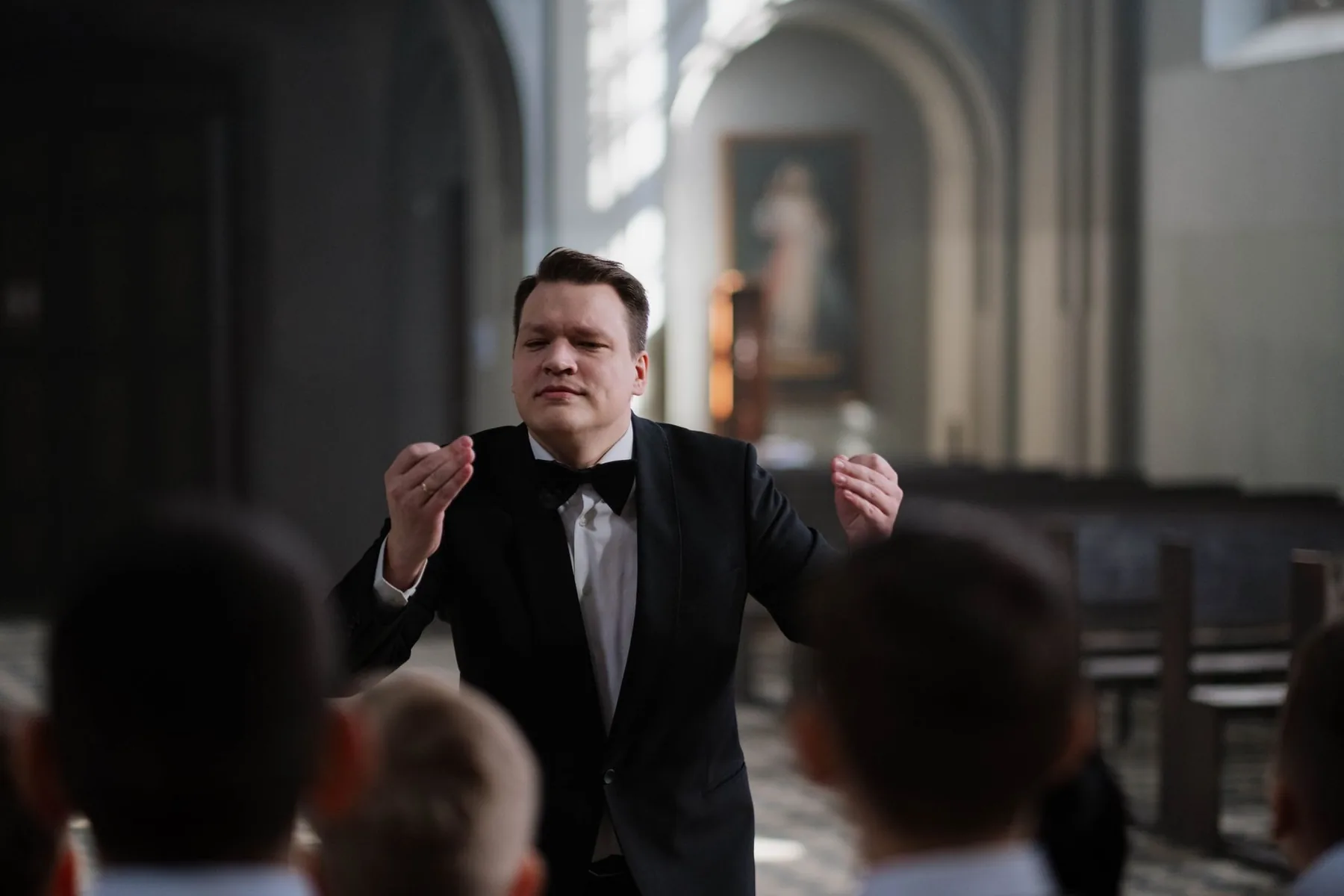
The Evolution of the Conductor’s Profession Over the Centuries
The role of the conductor has changed considerably over the centuries, strengthening its importance in music. During the Classical period, the orchestral world began to evolve. This helped make conductors essential.
This period was marked by major changes in orchestras. Conductors had to adapt to them.
From the Beginning of the Classical Period
During the Classical period, orchestras became more diverse. The disappearance of basso continuo gave the strings greater freedom. The first violin then often began directing the ensemble.
The growing complexity of ensembles made the conductor indispensable. Conductors such as Hans von Bülow changed the way ensembles were directed. Their influence made the role of the conductor crucial.
The Emergence of Professional Conductors
Conductors such as Hans von Bülow were pioneers. They created a model for today’s conductors. Their distinctive vision changed how music was perceived.
Conductors became artists in their own right. For more details about the evolution of orchestras, read this article about symphony orchestras.
| Period | Evolution of Orchestras | Role of Conductors |
|---|---|---|
| Early Classical period | Expansion of instrument families | Essential autocratic direction |
| Middle Classical period | Introduction of new instruments | Establishment of a central figure |
| Late Classical period | Large-scale symphonies | Interpreter and artistic guide |
Orchestral Conducting Techniques in the 19th Century
The 19th century brought major changes to orchestral conducting. The baton became a key tool for conductors. It allowed them to communicate changes in tempo and intensity to musicians. This changed how the conductor’s role was perceived, making conductors more distinct and widely recognized.
The Use of the Baton
The baton brought greater visual clarity to conductors’ directions. Previously, they had often used their hands to guide the orchestra. With the baton, however, the role of the conductor evolved and became more distinct.
The First Famous Conductors
Figures such as Louis Spohr, Carl Maria von Weber, and Felix Mendelssohn left their mark on the century. They were both performers and composers, enriching the music of their time. Hector Berlioz and Richard Wagner also revolutionized orchestral conducting, raising its technical standards.
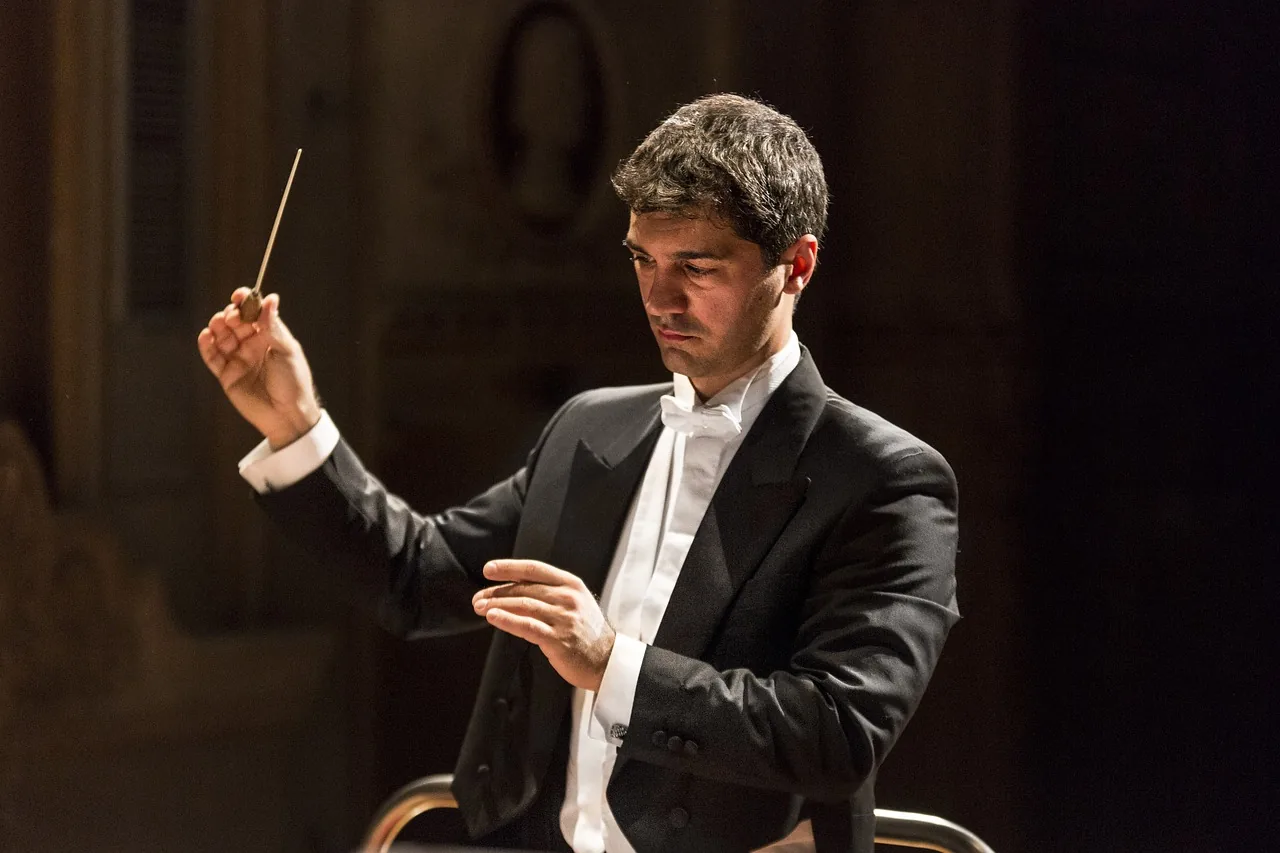
The Role and Importance of the Conductor Today
The conductor plays a crucial role in the musical world, overseeing the interpretation and performance of works. Over the years, the role has evolved to favor collaboration rather than commands. Conductors must now understand the music and communicate effectively with musicians.
Characteristics of the Modern Conductor
To excel, a conductor must possess certain characteristics:
- Leadership: conductors must inspire and motivate musicians to create a healthy working environment.
- Communication skills: they must be able to convey their ideas and emotions.
- In-depth musical knowledge: they must master a broad repertoire and understand the nuances of each work.
- Adaptability: they must adapt to different orchestras and ensembles.
- Interaction: engaging with musicians makes performances more vibrant.
This development demonstrates the importance of the conductor to a successful performance. Conductors such as Marek Janowski emphasize the importance of practical experience in becoming a good conductor.
| Orchestra | Number of Musicians | Percentage Conducted by a Principal Conductor (2014–2015) |
|---|---|---|
| Paris Opera Orchestra | 174 | 10% |
| Orchestre National de France | 112 | Variable |
| Lyon Opera Orchestra | 61 | Variable |
These characteristics and figures illustrate the role of the modern conductor. Conductors must adapt while preserving the work’s artistic essence. A combination of skill, passion, and practice is essential for success. A conductor is therefore much more than a leader; they are an artistic facilitator.
Training to Become a Conductor
Becoming a conductor requires a combination of theoretical education and practical experience. Conductors must master technical skills and possess strong personal qualities. Their training often begins at a conservatory.
Conservatory Programs
Conservatories provide rigorous musical training. Students learn harmony, music theory, orchestration, and orchestral conducting. These courses prepare future conductors to understand every instrument and develop their musical sensitivity.
Teaching methods have evolved over the past two centuries. They aim to foster a national musical identity.
The Importance of Practical Experience
Theoretical knowledge is crucial, but practical experience is equally important. Conducting orchestras allows conductors to apply their knowledge. They learn to communicate their musical intentions through gestures.
Guidance from experienced teachers helps students develop confidence and authority.
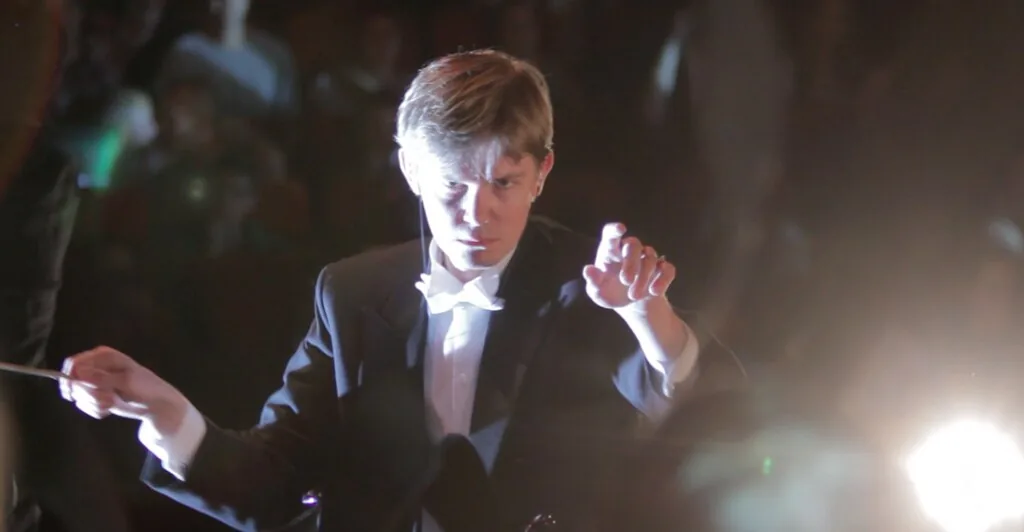
For more information, read this document about the evolution of the profession. It provides an overview of current challenges.
Conclusion
The conductor’s profession has changed considerably over time. It has adapted to new musical and cultural trends. Today, the conductor plays a crucial role in concerts as both an artist and a leader.
Professional orchestras became increasingly important in the 19th century. They need a conductor to perform harmoniously. As the number of musicians increased, conductors ensured that classical works were interpreted effectively.
The conductor plays a key role in modern music. Conductors use methods such as soundpainting to communicate. This demonstrates the importance of orchestral music and conductors’ expertise.
To learn more, visit resources about the evolution of conductors and soundpainting.
FAQ
What is the history of the conductor’s profession?
What is the conductor’s role in a symphony orchestra?
What are some common orchestral conducting techniques?
Who are some famous conductors?
What training is required to become a conductor?
How has the conductor’s role evolved over the centuries?
How does musical direction influence an orchestral performance?
Source Links
- https://www.cambridge.org/core/books/cambridge-companion-to-the-orchestra/18538CE966F009A62D84B558925C79E4/listing?pageNum=1
- https://research-repository.uwa.edu.au/en/publications/unveiling-the-mystique-defining-the-role-of-the-conductor/
- https://www.pmi.org/learning/library/2019/04/07/15/29/what-orchestra-conductor-actually-do-6882
- https://www.classical-music.com/articles/first-conductor