

An orchestra conductor’s salary attracts considerable attention in the music world. Income varies greatly according to reputation, experience, and the type of orchestra. In France, music directors earn between €2,500 and €8,000 per month.
Some internationally renowned conductors can earn up to €15,000. Concert fees range from €2,000 to €50,000, depending on the conductor’s popularity.
It is crucial to know how much an orchestra conductor earns. This profession is highly competitive and offers candidates few opportunities. This affects not only salaries but also how these artists are perceived in contemporary music.
Introduction to the profession of orchestra conductor
The profession of orchestra conductor is both fascinating and complex. It combines music, artistic direction, and team management. To understand this profession, its various facets must be explored.
An essential role in an orchestra
The conductor is essential to the smooth operation of an orchestra. They direct the musicians and guide the musical interpretation. Their vision influences how works are performed for the audience.
Historically, in the 19th century, conductors did not play an instrument in public. This allowed them to control the tempo more effectively and share their passion for music. Figures such as Hector Berlioz and Richard Wagner transformed this role by imposing their vision.
A unique career path
Becoming an orchestra conductor requires a long and varied career path. Beginners often start as musicians or composers. They acquire technical skills over time.
This path requires charisma and the ability to unite different personalities around a project. Pay varies according to experience and reputation. Conductors must combine artistic talent with interpersonal skills in an evolving musical world.
What is an orchestra conductor’s salary?
An orchestra conductor’s salary varies considerably. It depends on the type of orchestra, its location, and the conductor’s experience. In France, orchestra conductors earn between €2,500 and €8,000 per month. Some very well-known conductors can earn up to €15,000 per month.
General salary range
A beginner can expect a salary of €2,000 to €4,000 per month. With experience, salaries can reach €100,000 per year. For special concerts, fees can range from €2,000 to €50,000.
The average pay of an orchestra conductor is €66,000 gross per year. This represents €4,235 net per month.
Factors influencing salary
Several factors affect an orchestra conductor’s salary, including:
- The orchestra conductor’s reputation and experience.
- The orchestra’s budget and the type of concert.
- Individual negotiations when contracts are signed.
Some conductors, such as Riccardo Muti, are very highly paid in the United States, with income that can reach $3 million per year. Pay also varies by country, as in Austria, where the maximum salary is €10,000.
In conclusion, an orchestra conductor’s salary depends on their career path, reputation, and chosen projects. It often takes many years to attain a high salary.
Types of contracts and pay
The world of orchestral conducting is governed by contracts that influence a section leader’s salary. Orchestra conductors fall into two categories: permanent and guest conductors. Each category has different payment arrangements that affect compensation.
Permanent and guest conductors
Permanent conductors, or music directors, are employed by an orchestra. They have a fixed-term contract with a stable section leader’s salary. Guest conductors, meanwhile, are hired for specific concerts. Their pay is calculated per concert, allowing them to earn more by working more often.
Payment arrangements
Orchestra conductors’ pay varies according to their contract. Permanent conductors receive a monthly salary, while guest conductors are paid per concert. The contract specifies the financial arrangements, including the terms that apply to rehearsals and additional performances.
In the event of a payment problem, conductors can take their case to an employment tribunal to assert their rights.
The difference between permanent and guest conductors demonstrates the importance of orchestra conductor contracts for a section leader’s salary. This highlights the financial issues associated with these professions. Understanding these contracts helps orchestra conductors manage their careers and salaries more effectively.
Factors influencing an orchestra conductor’s salary
An orchestra conductor’s pay varies according to several important factors. Reputation and experience are crucial to securing an attractive orchestra conductor’s salary. Famous conductors who have led prestigious orchestras or received awards can negotiate better salaries.
Reputation and experience
Career history is a determining factor in an orchestra conductor’s salary. A conductor who has led renowned orchestras earns more than one working with lesser-known ensembles. They can also increase their income through concerts, recordings, or teaching, thereby raising their orchestra conductor compensation.
Type of orchestra and location
The type of orchestra influences salary. Conducting a major symphony orchestra pays more than leading a local jazz group. Location is also crucial, with salaries being higher in major cities such as Paris. In these cities, greater demand and larger budgets increase an orchestra conductor’s salary.
| Criteria | Impact on salary |
|---|---|
| Reputation | Improves negotiating prospects |
| Experience | Increases value and rates |
| Type of orchestra | The largest orchestras offer higher salaries |
| Location | Major cities offer higher pay |
Public perception and demand are also essential in determining salaries. For more details about the orchestra conductor’s role, consult this information source.
International salary comparison
Orchestra conductors’ pay varies greatly around the world. In France, they face difficulties regarding orchestra conductor pay. By contrast, salaries are more attractive in England and Germany, especially at renowned orchestras.
Orchestra conductor salaries in France and abroad
A comparison of orchestra conductor salaries shows that conductors in France earn less than their counterparts abroad. Foreign conductors, especially those working with famous orchestras, can earn up to one million dollars per year.
Changes in pay within the sector
The orchestral sector is changing. Salaries are influenced by the economy and the value placed on orchestra conductors. Marc Liardon, a violinist with the Geneva Chamber Orchestra, recently emphasized the importance of reassessing salaries, including those of musicians in major orchestras.
| Country | Average annual pay |
|---|---|
| France | €30,000–€60,000 |
| England | €70,000–€150,000 |
| Germany | €60,000–€120,000 |
| United States | €100,000–€1,000,000 |
Solutions such as umbrella employment are being considered to protect musicians. They provide employment rights and fair pay. Further thought must be given to the best ways of paying orchestra conductors in order to encourage creativity and talent development.
Conclusion
An orchestra conductor’s salary varies considerably. It depends on their reputation and the economic circumstances of orchestras. An orchestra conductor earns between €40,000 and €80,000 gross per year. They must balance their passion for music with the demands of the market.
In addition to their salary, orchestra conductors receive fees for rehearsals and concerts. They also receive benefits such as pension contributions and reimbursement of medical expenses.
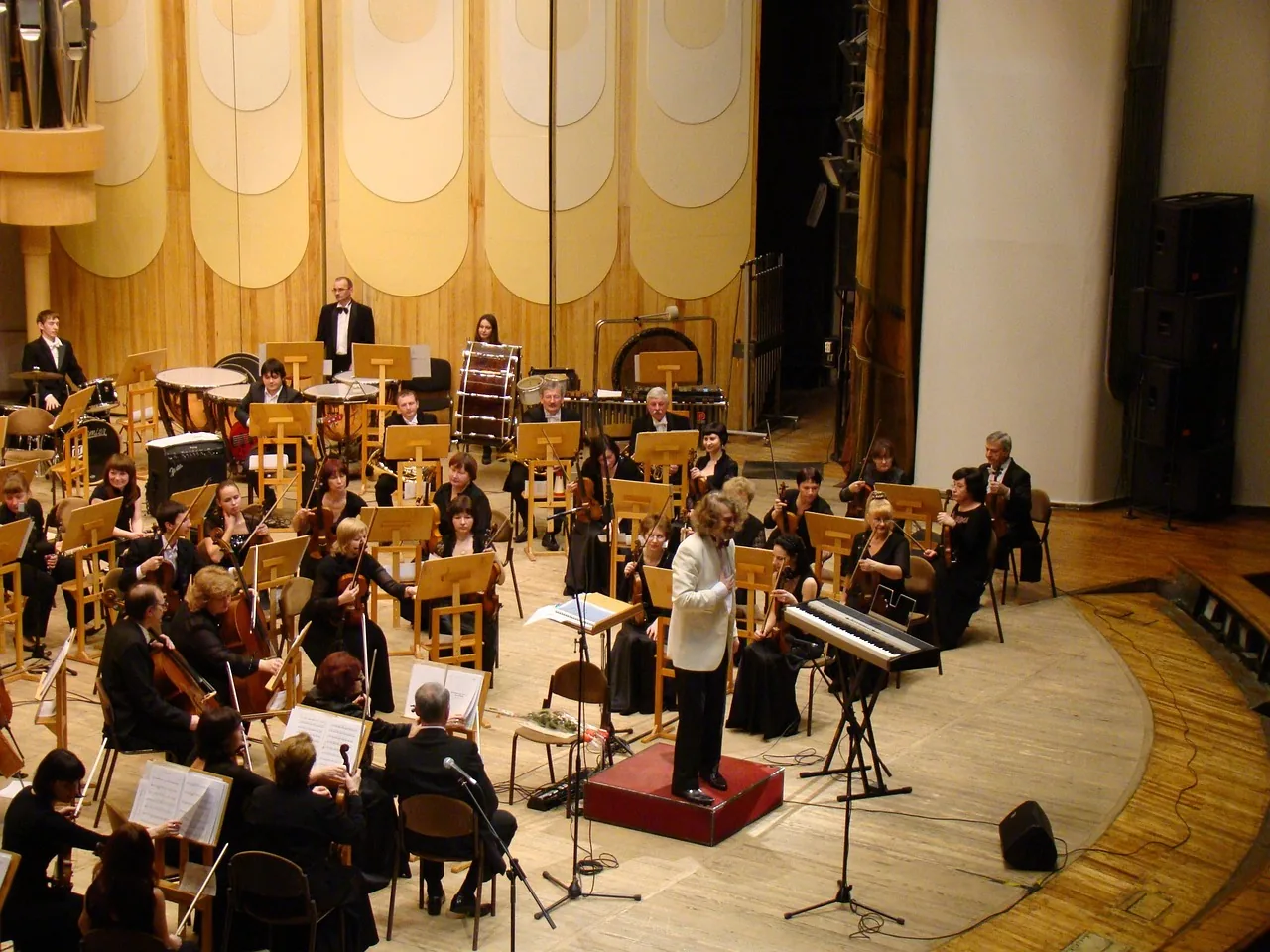
An orchestra conductor can earn more by directing international performances. They can also receive awards and grants for their talent. A concert with a symphony orchestra brings together around 60 musicians. The conductor is essential to harmony and precision.
The music market is constantly evolving. Orchestra conductors need to keep up with new trends. Future challenges and opportunities will influence their salaries and their impact on music worldwide.