
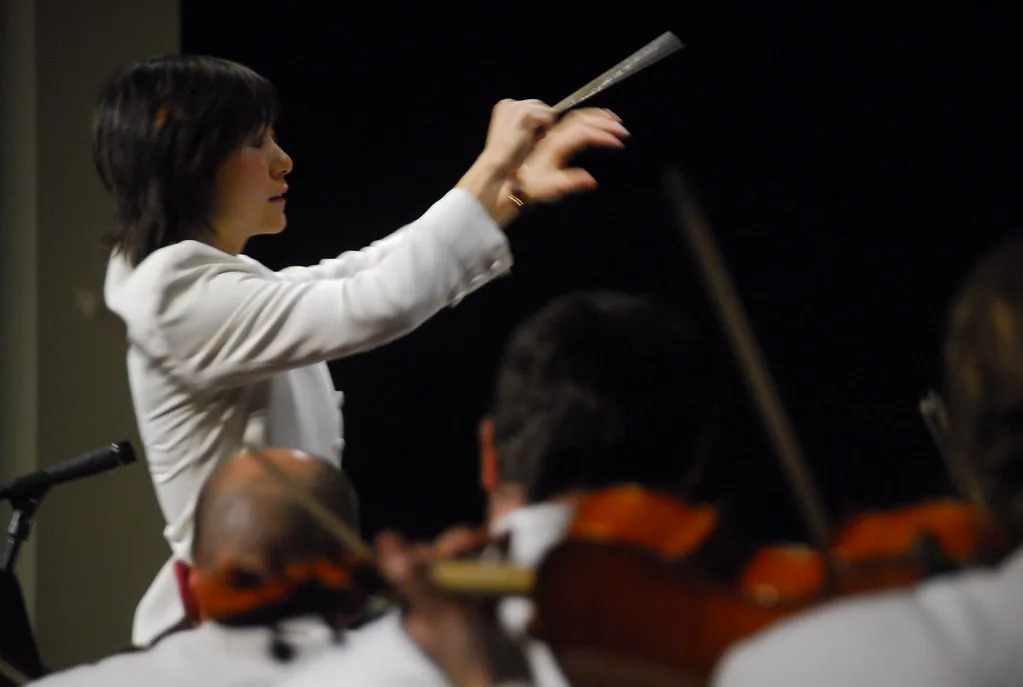
Soundpainting is a method of musical composition that involves audience participation, creating a unique and interactive artistic experience. This form of performance encourages collaboration between artists and the audience, strengthening their relationship.
Soundpainting differs from traditional musical performances through its use of a universal gestural language to communicate musical ideas. The conductor’s gestures become a communication tool for the artists as well as for the audience.
The experience of artistic collaboration
Soundpainting encourages a unique form of artistic collaboration between performers and the audience. Unlike a traditional show, where the relationship between the artist and the audience is often one-way, soundpainting performers interact directly with their audience, turning the performance into a shared and collaborative experience.
Soundpainting’s collective creation process involves direct interaction between the artist and the audience. Performers use gestures to communicate instructions, ideas, and emotions to the audience, whose members in turn become active participants in the performance process.
The collective nature of soundpainting creation enables artists to work together to create a unique artistic language understood by all performers and the audience. This artistic collaboration also encourages active listening and attentiveness to others, thereby strengthening the creative community.
The artistic experience
Soundpainting’s collaborative approach creates a unique artistic experience for the audience. Audience members are not simply passive observers but active participants in the performance. This participation fosters a deeper appreciation of art and enables the audience to form more meaningful connections with the artists.
The performance of soundpainting also encourages improvisation, giving artists space for personal and creative expression. This freedom gives performers an opportunity to explore different ideas and adapt to their performance environment, creating a unique artistic experience at every show.
The artistic experience of soundpainting is therefore both collaborative and creative. Soundpainting performers and their audience work together to create an artistic experience that is both emotionally and intellectually stimulating.
Gestural language and improvisation
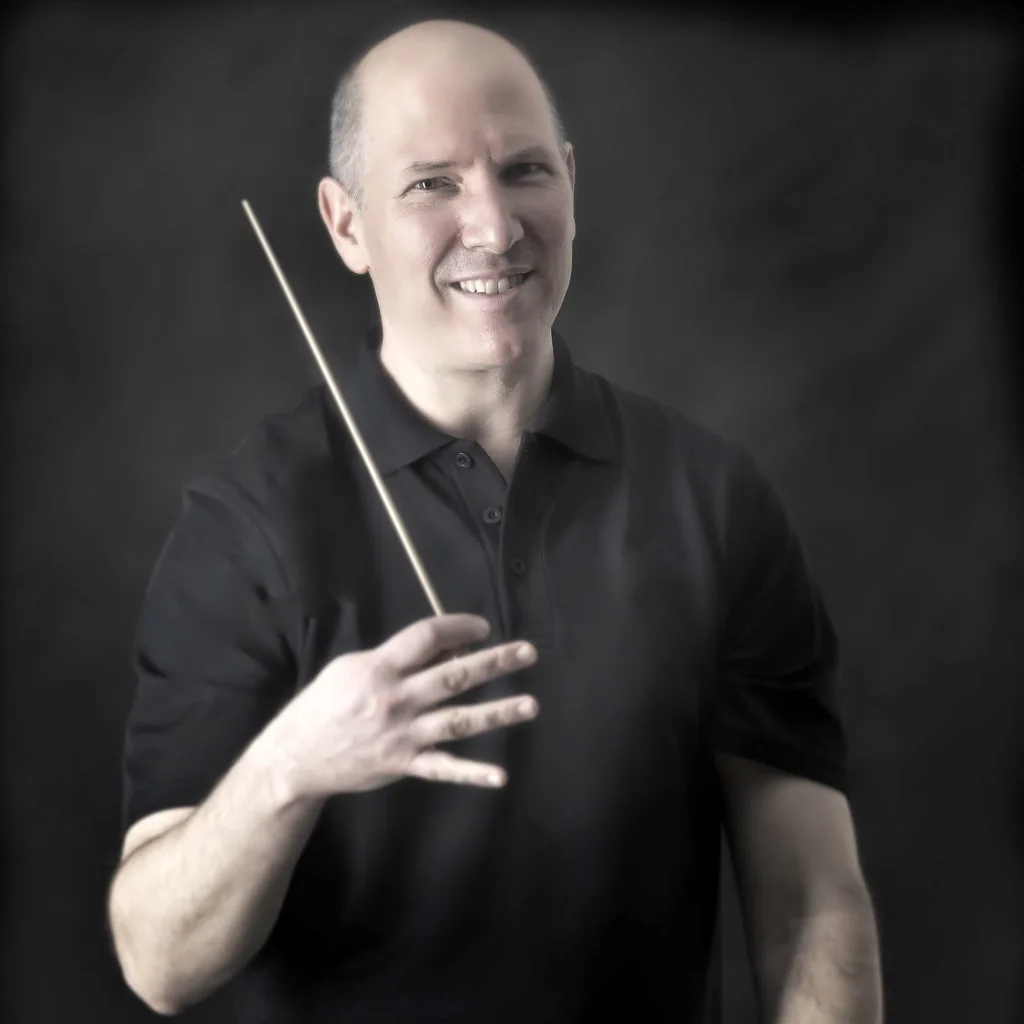
Soundpainting is a gestural and artistic language involving nonverbal communication between artists and the audience. Through specific gestures, artists can direct and control sound, music, dance, poetry, theater, and other forms of expression. Gestural language is therefore an essential aspect of soundpainting because it enables artists to interact directly with their audience.
Improvisation is also a key element of soundpainting. The gestures used by the conductor can vary depending on the context and the audience’s reactions. This improvisation creates a unique artistic environment in which the artist and the audience can interact spontaneously. This interaction can take various forms, such as the creation of scenes, characters, and other elements that contribute to the performance.
This nonverbal communication and improvisation strengthen the relationship between the artist and the audience. Audience members are invited to participate in artistic creation and expression, generating a sense of collaboration and sharing. Gestural language and improvisation therefore help break down barriers between the artist and the audience, creating an inclusive and participatory artistic environment.
Collective creation and participatory performance
Soundpainting encourages collective creation between artists and the audience. Participants are invited to become directly involved in the artistic process. This allows everyone to contribute to the experience and results in a unique and immersive performance. Participatory performance also strengthens the connection between artists and the audience and creates a sense of belonging to a community.
Soundpainting also encourages improvisation, meaning that every performance is unique and will never be repeated. This stimulates creativity and innovation while strengthening collaboration between artists and the audience. By working together to create something new and meaningful, participants can develop deeper and stronger connections.
| Collective creation and participatory performance | Benefits |
|---|---|
| Artistic collaboration between artists and the audience | Strengthening the connection between artists and the audience, creating a community |
| Encouraging improvisation | Stimulating creativity and innovation |
| Creating a unique experience | Strengthening collaboration between artists and the audience |
Overall, soundpainting offers a collaborative, creative, and participatory artistic experience. It strengthens the relationship between artists and the audience, builds a community, and stimulates creativity and innovation. With soundpainting, every performance is unique, and every participant can contribute to the artistic experience.
Direct interaction with the audience
In soundpainting, direct interaction with the audience is essential to creating an immersive and unique experience. Artists use gestures to communicate with the audience, establishing nonverbal communication that strengthens the connection between them.
Audience members are invited to participate in the performance by responding to the soundpainter’s instructions. This creates a collaborative experience in which the audience becomes an integral part of the performance.
Direct interaction with the audience also enables artists to adapt to the atmosphere in the room and respond to audience reactions in real time. This creates a lively and dynamic experience that differs with every performance.
This direct interaction between the artist and the audience is one reason soundpainting is becoming increasingly popular at live events. Audiences seek unique and interactive experiences that involve them in the performance rather than leaving them as mere passive spectators.
Conclusion
Overall, soundpainting is a form of artistic expression that fosters interaction between artists and the audience. Through its collaborative and participatory nature, this innovative technique allows both parties to immerse themselves in a unique artistic experience. Beyond its aesthetic dimension, soundpainting creates a strong connection between artists and the audience, thereby strengthening their relationship. By adopting this approach, artists can broaden their audience and offer more inclusive and participatory performances. Soundpainting is a practice poised to develop further and revolutionize how we think about interaction between artists and their audience.